

Allergy Treatment & Relief
Prescription-strength allergy medications available through online consultation with UK-registered doctors. Treat hay fever, allergic rhinitis, and other allergies effectively and conveniently.
View Treatment Options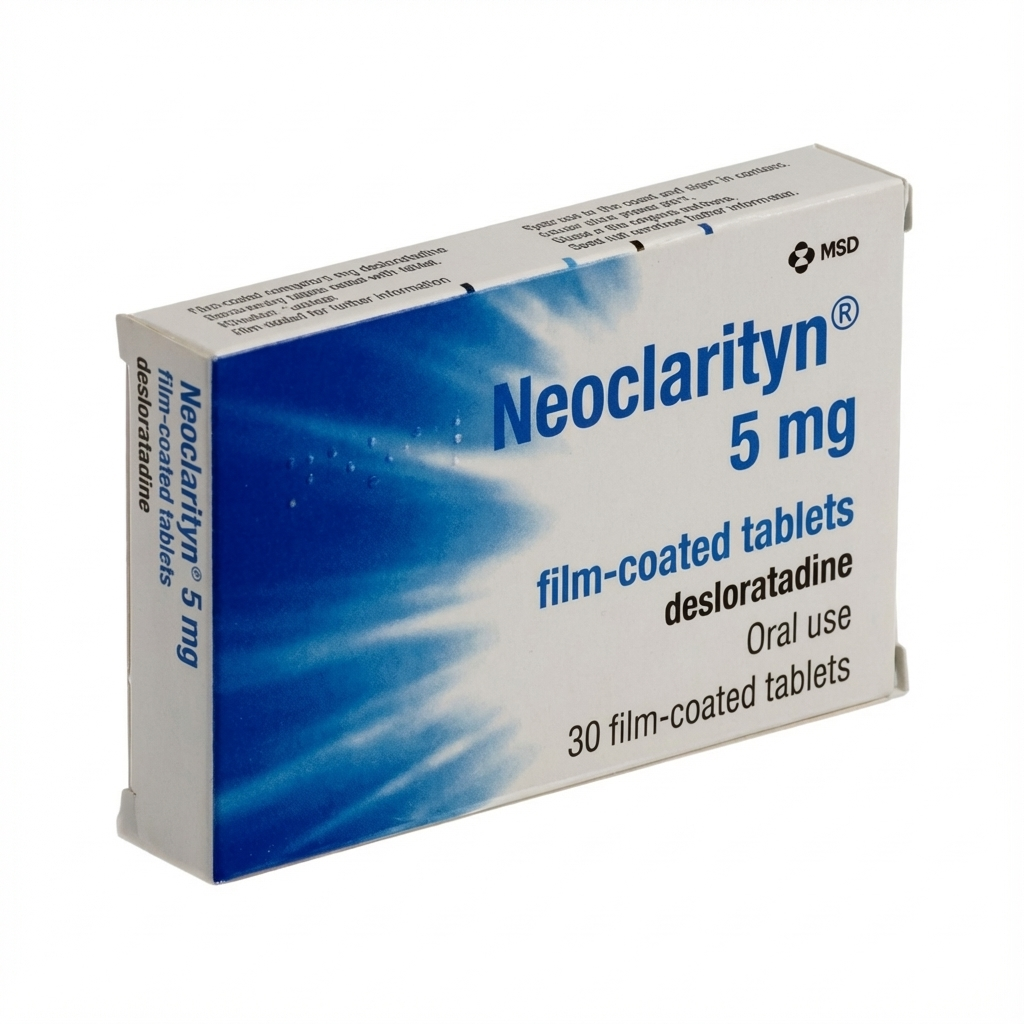
Neoclarityn Tablets
Allergy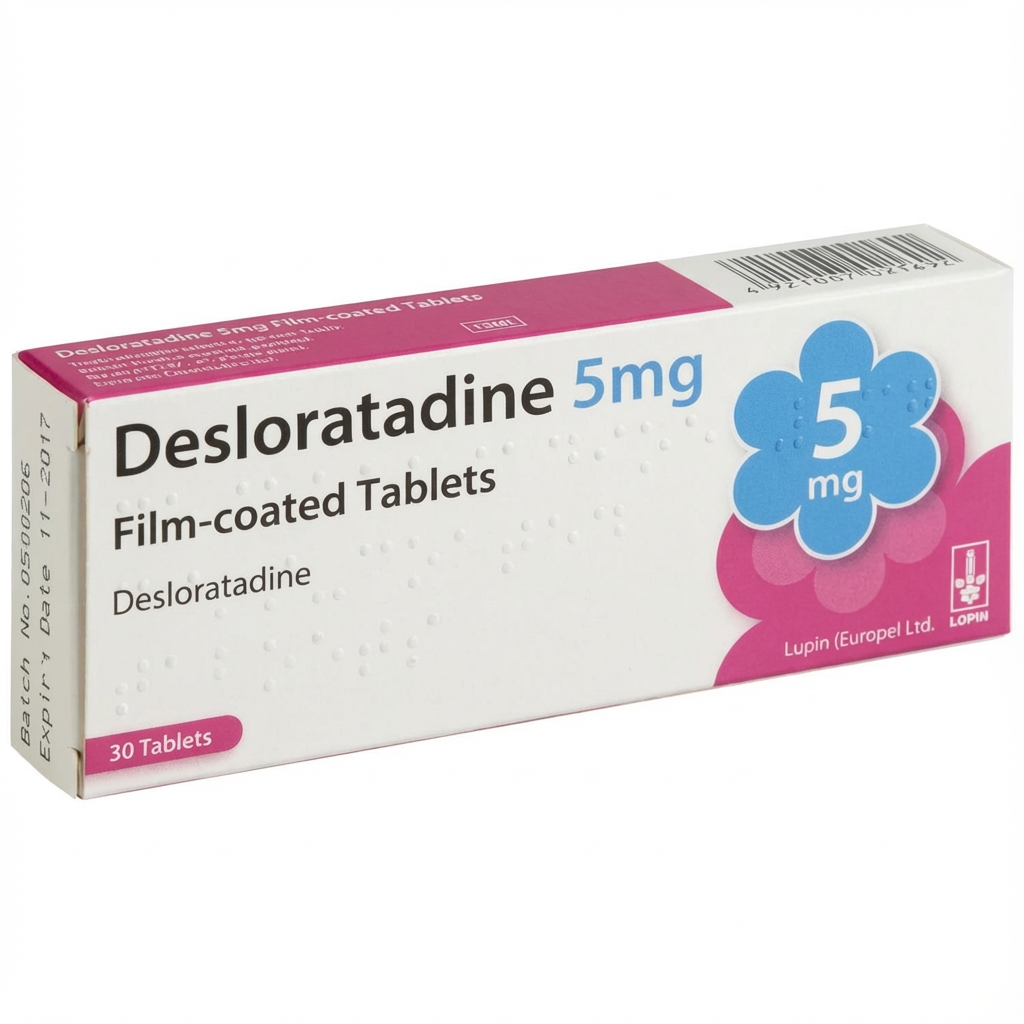
Desloratadine Tablets
Allergy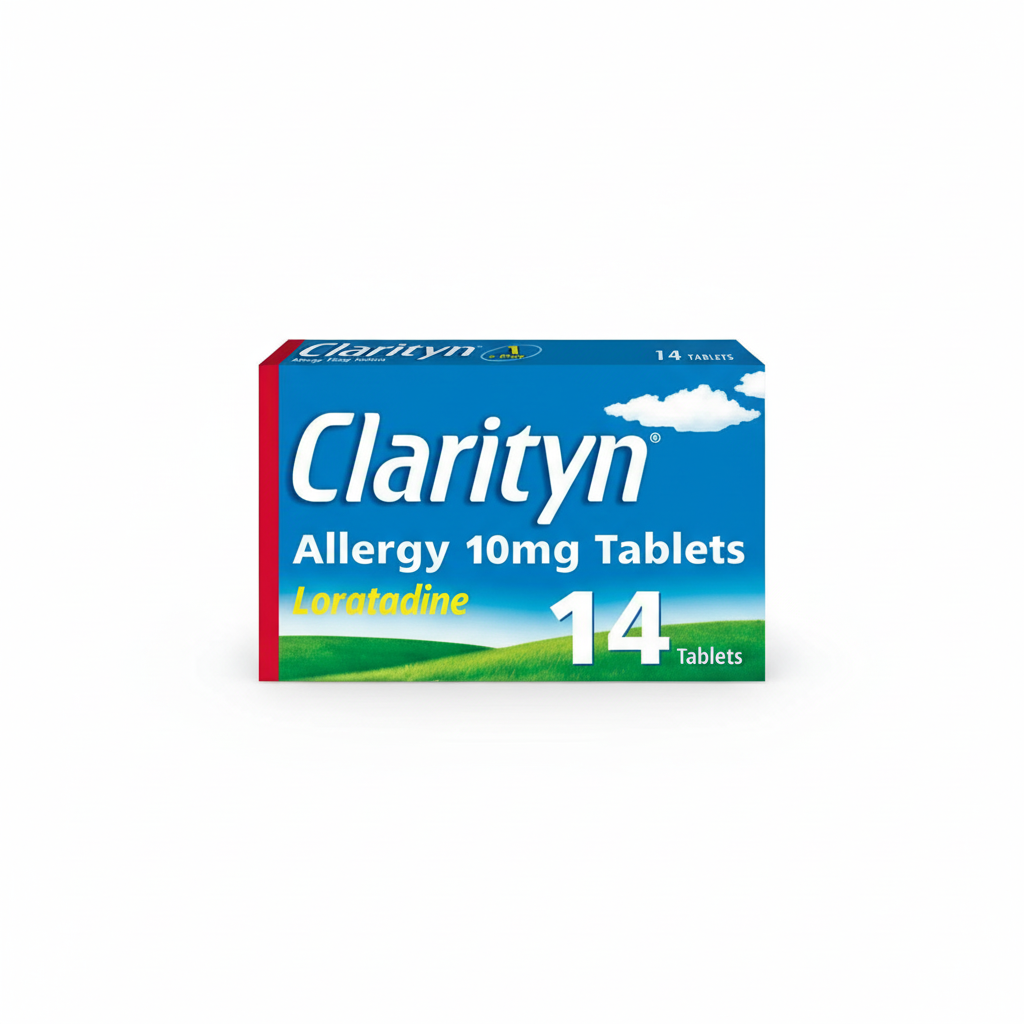
Clarityn Tablets
Allergy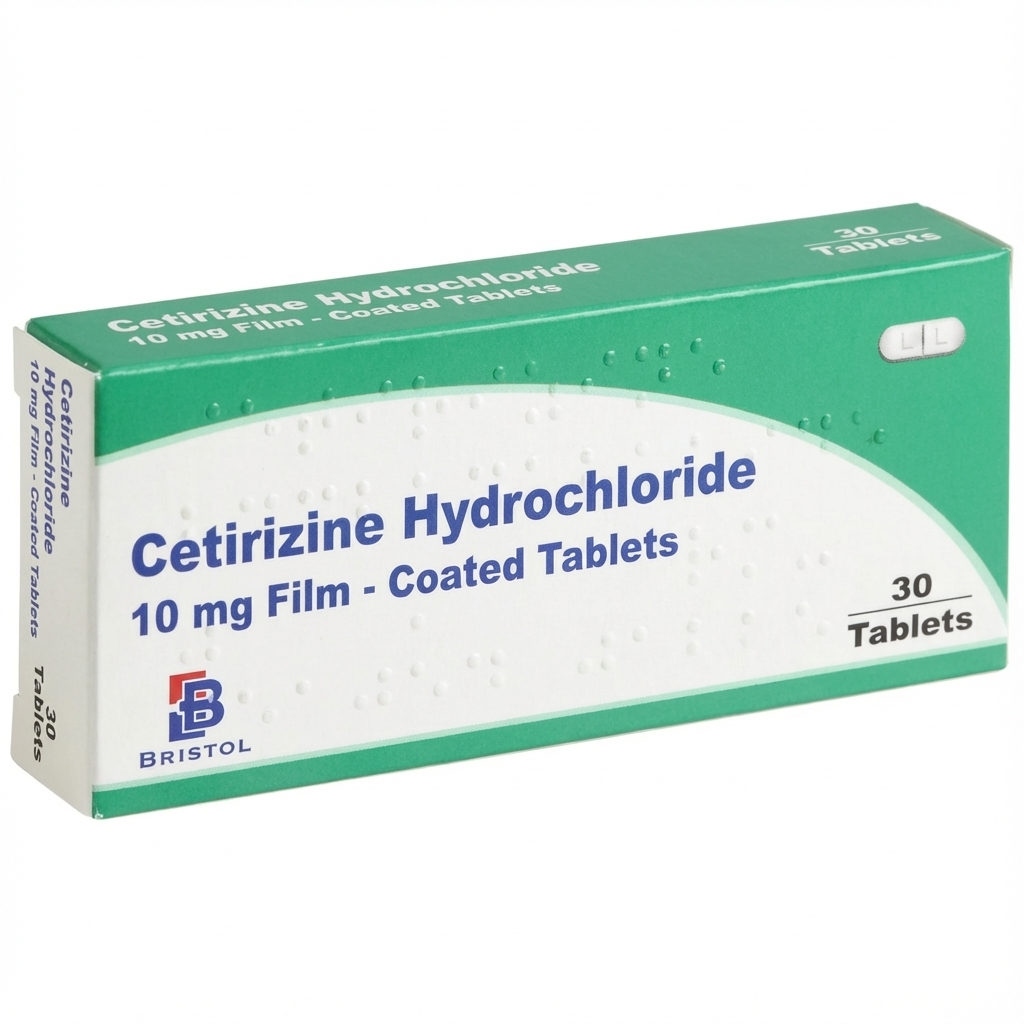
Cetirizine Tablets
Allergy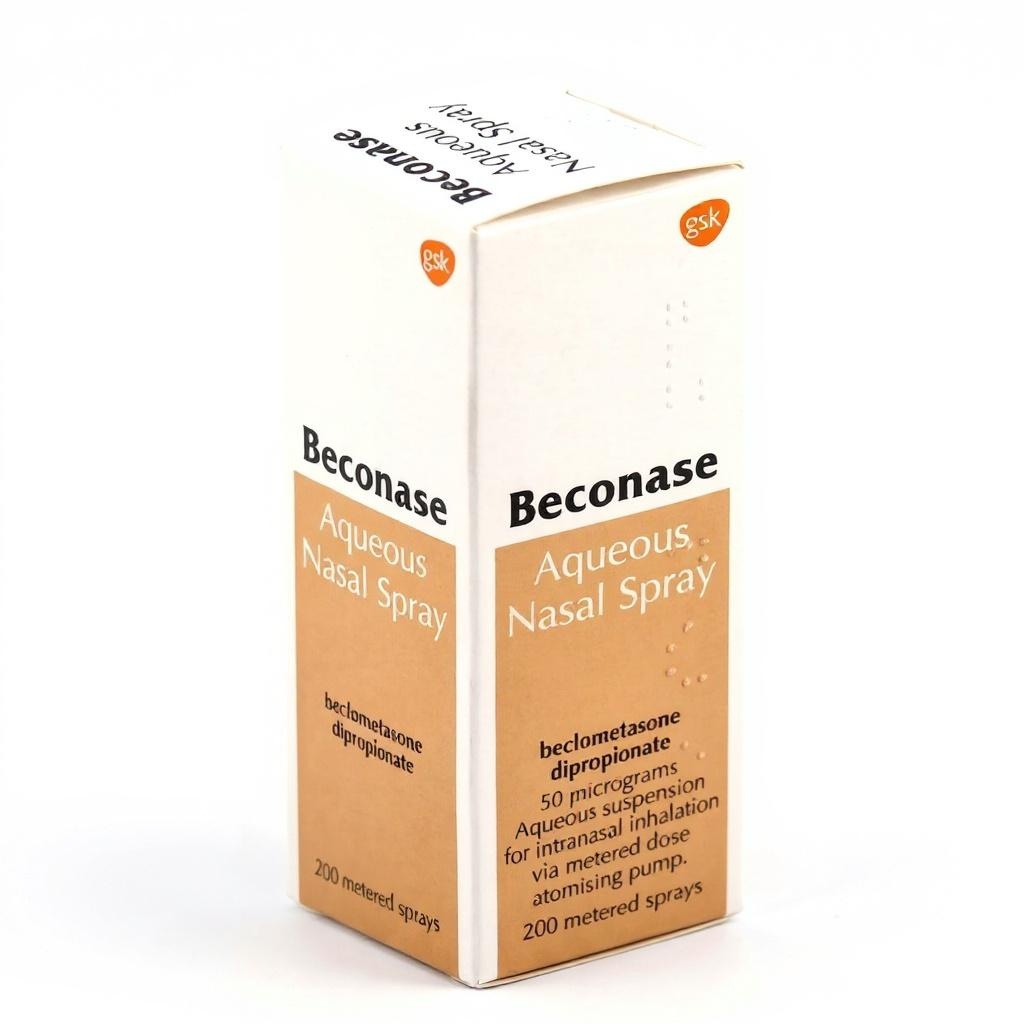
Beconase Nasal Spray
Allergy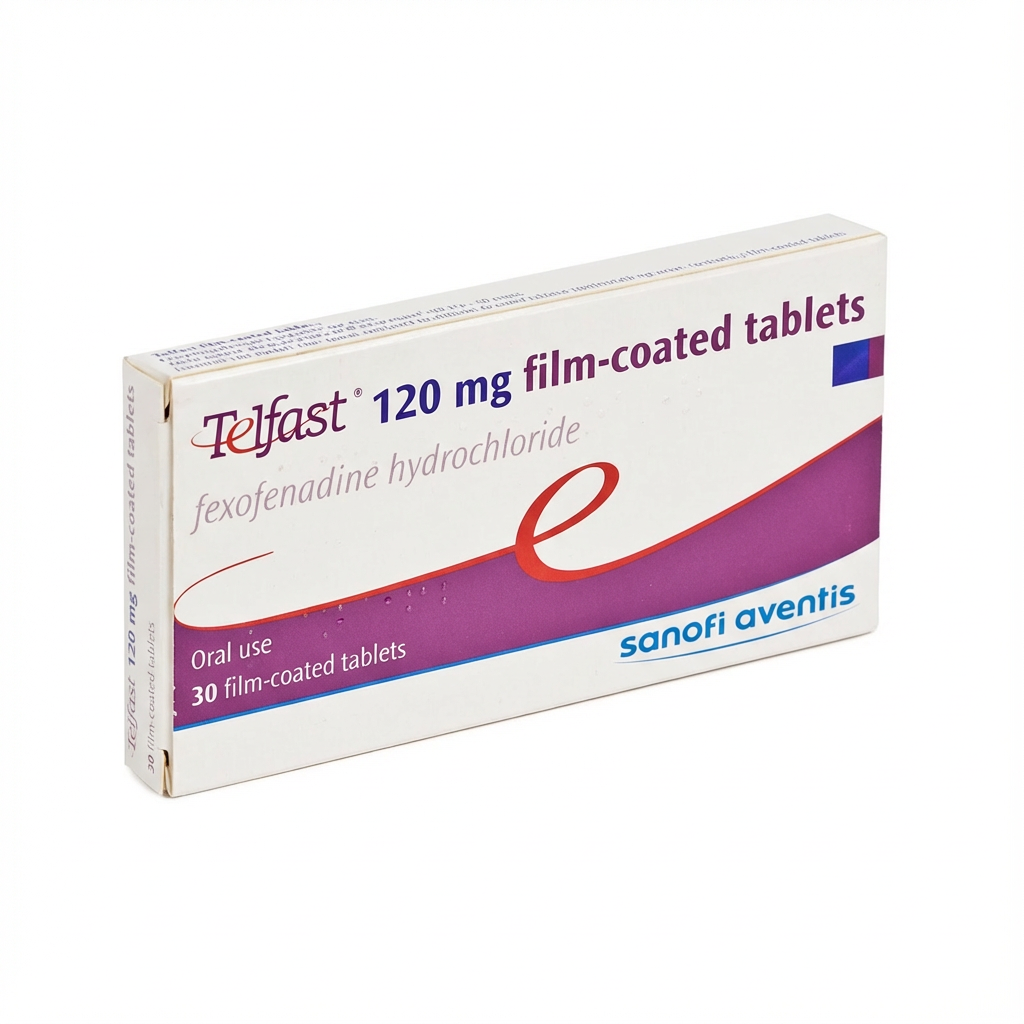
Telfast Tablets
Allergy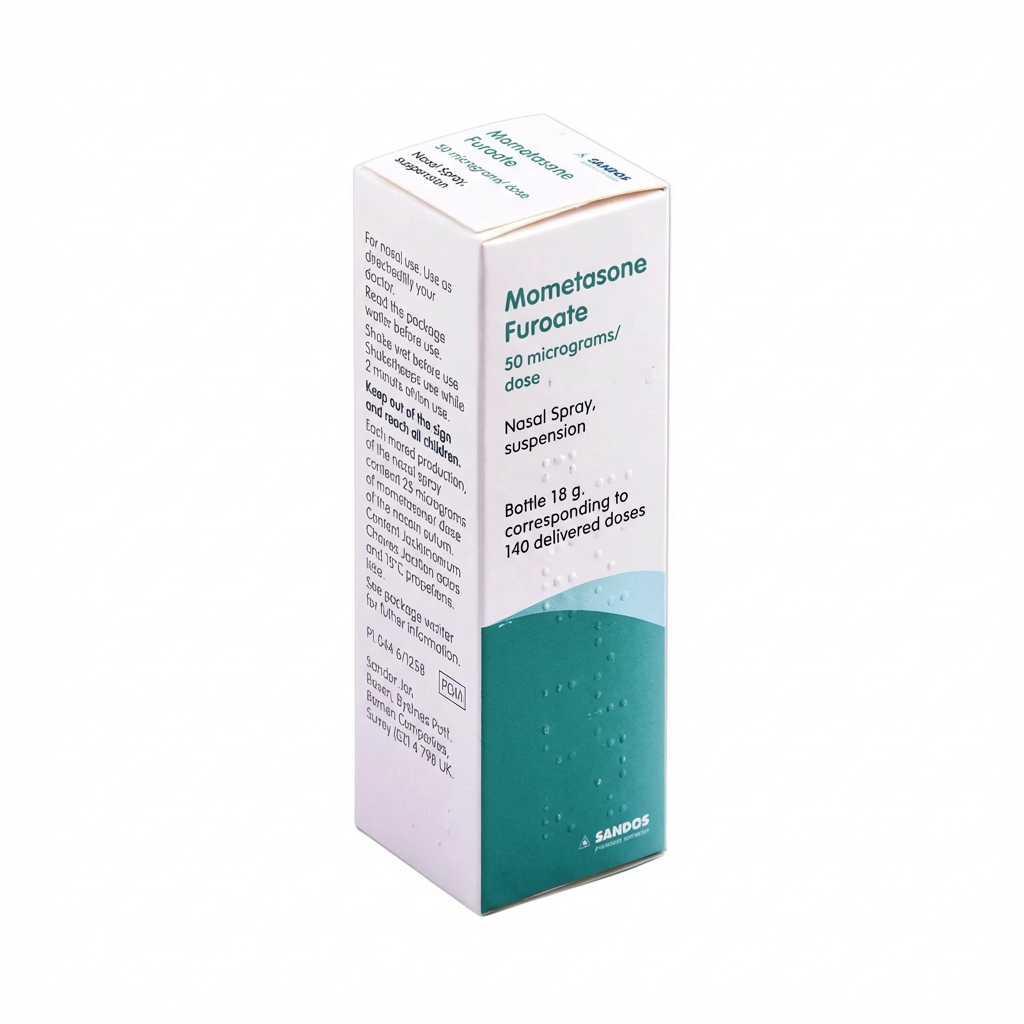
Mometasone Furoate Spray
Allergy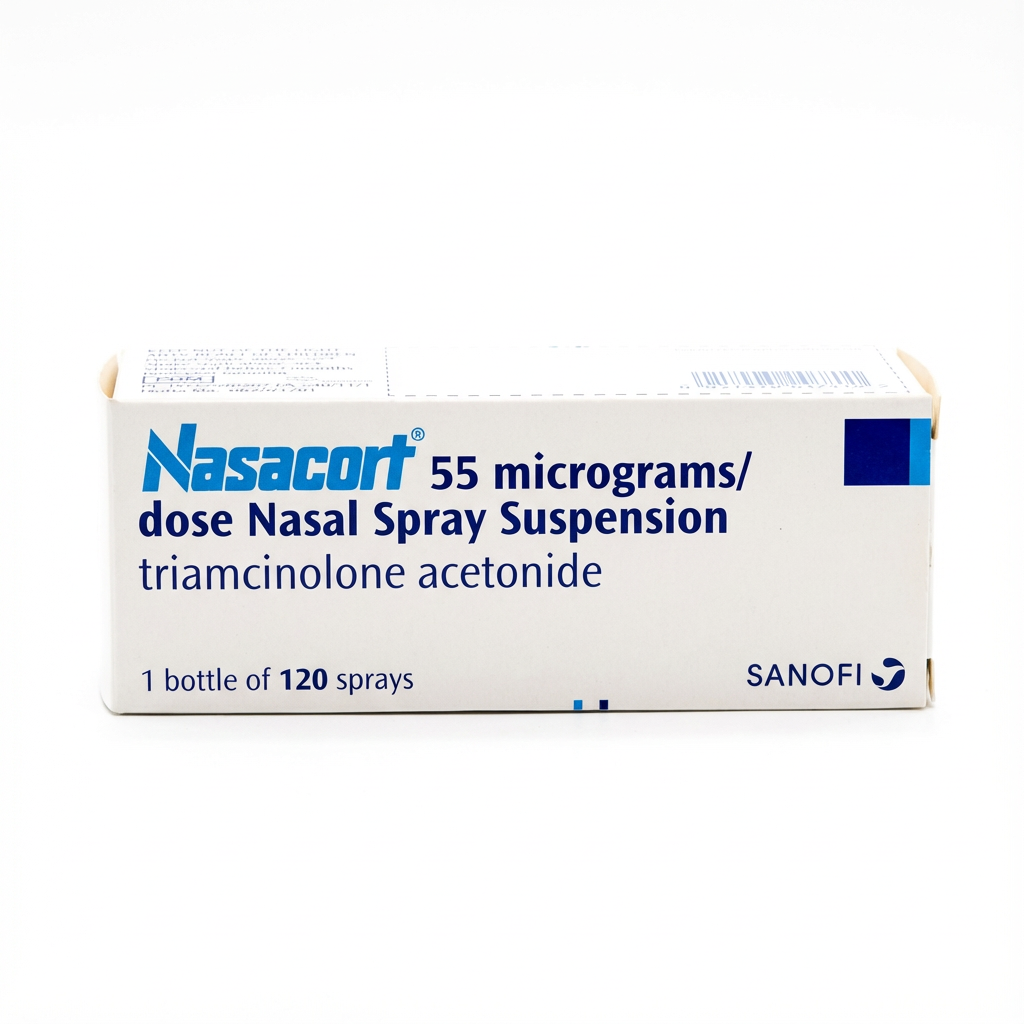
Nasacort Nasal Spray
Allergy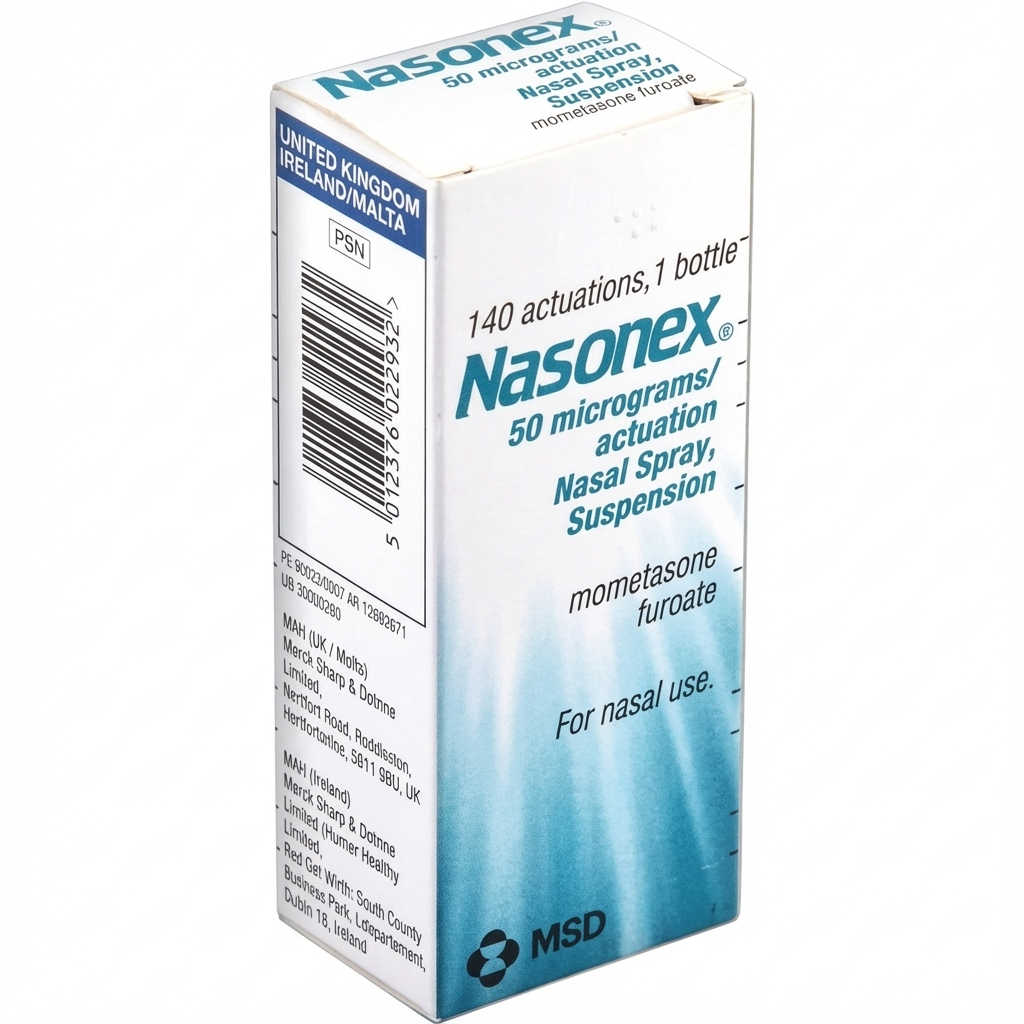
Nasonex Nasal Spray
Allergy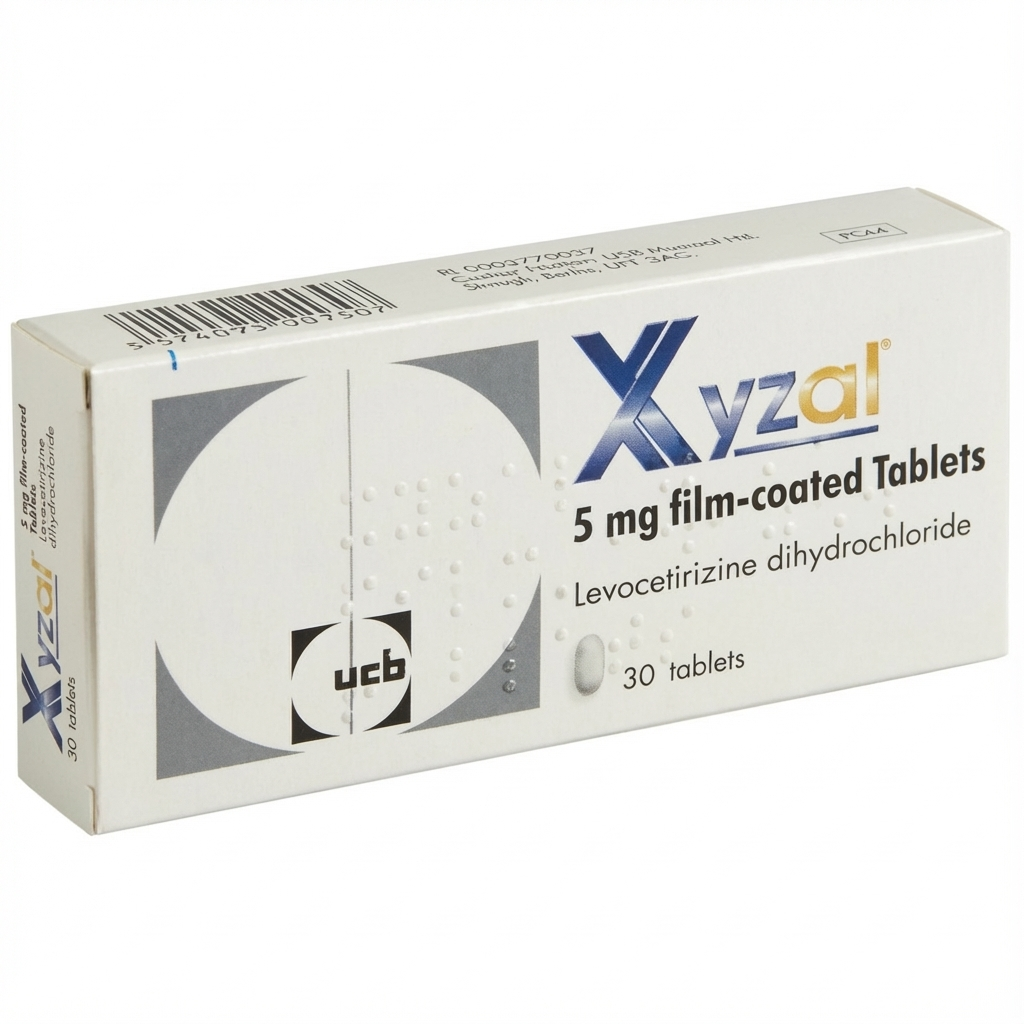
Xyzal
Allergy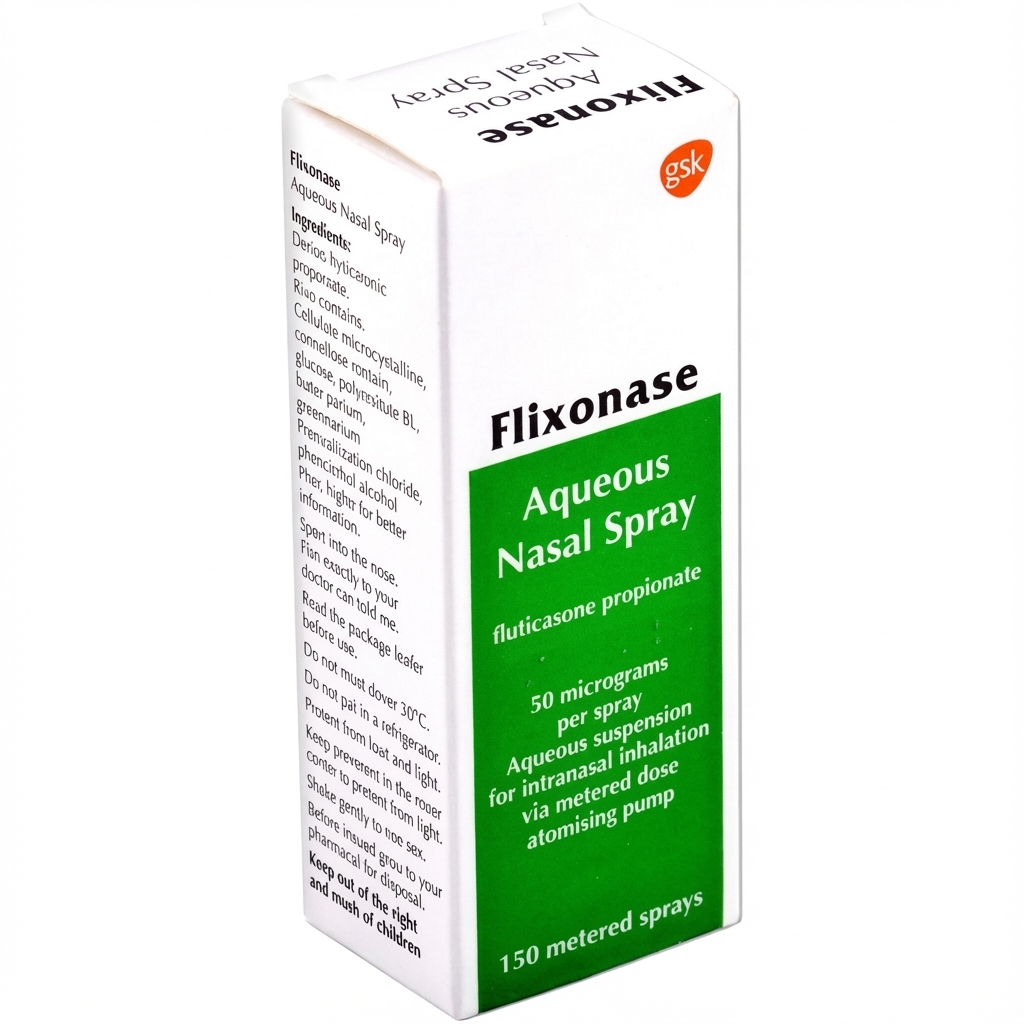
Flixonase Nasal Spray
Allergy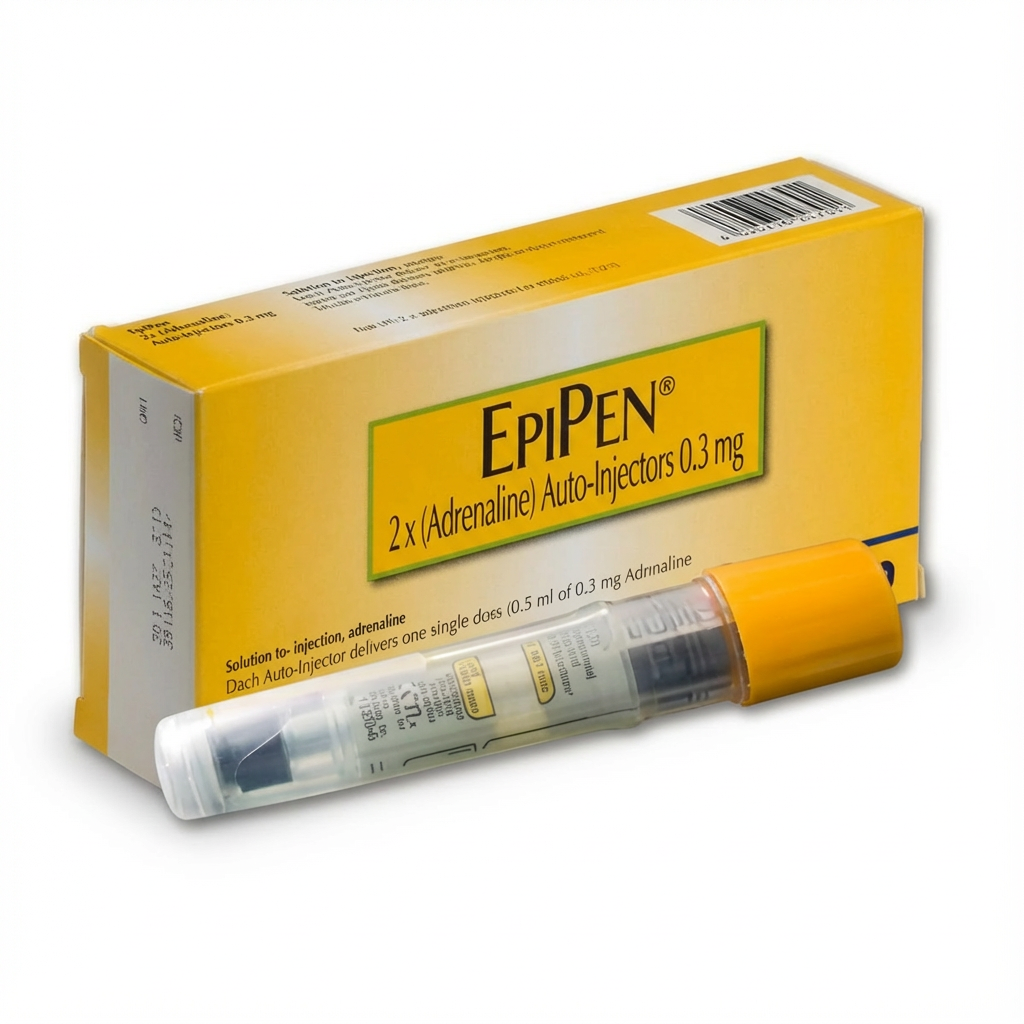
EpiPen Auto-Injector
Allergy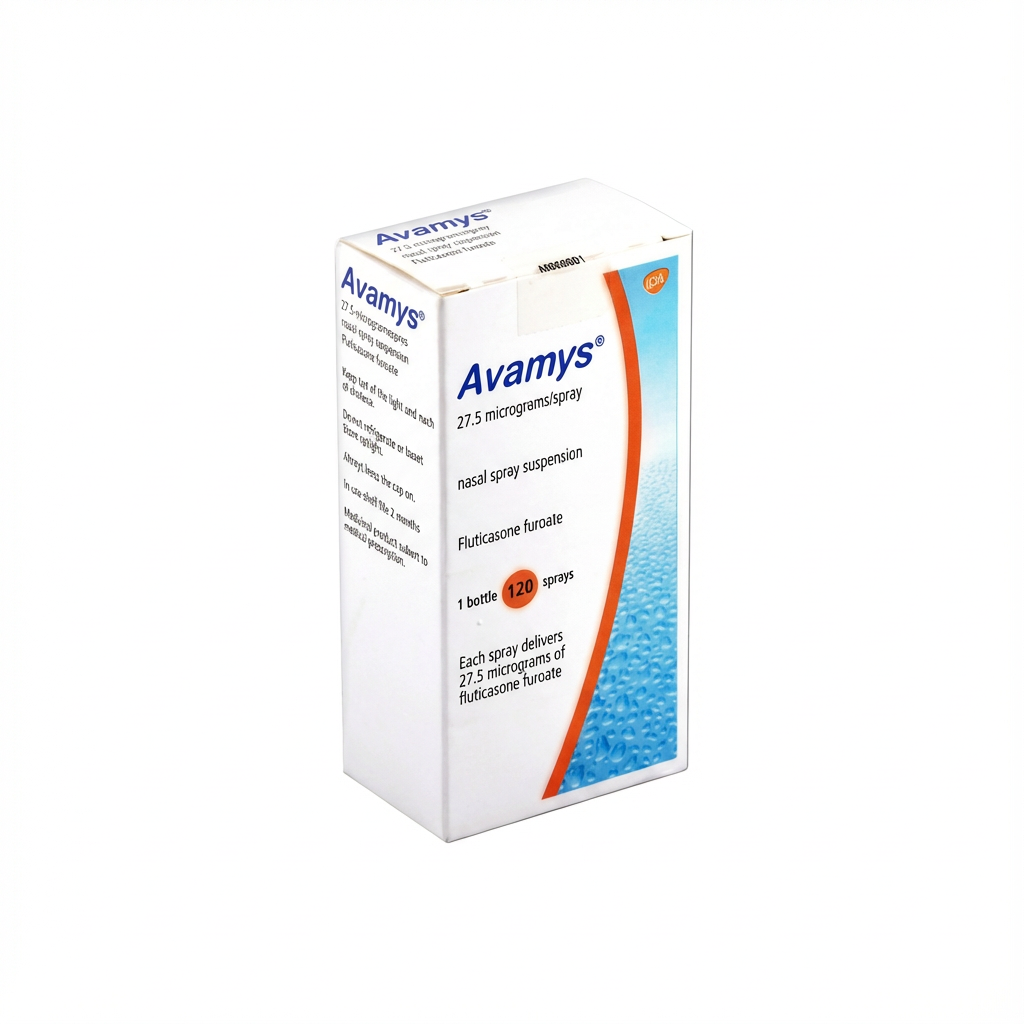
Avamys Nasal Spray
Allergy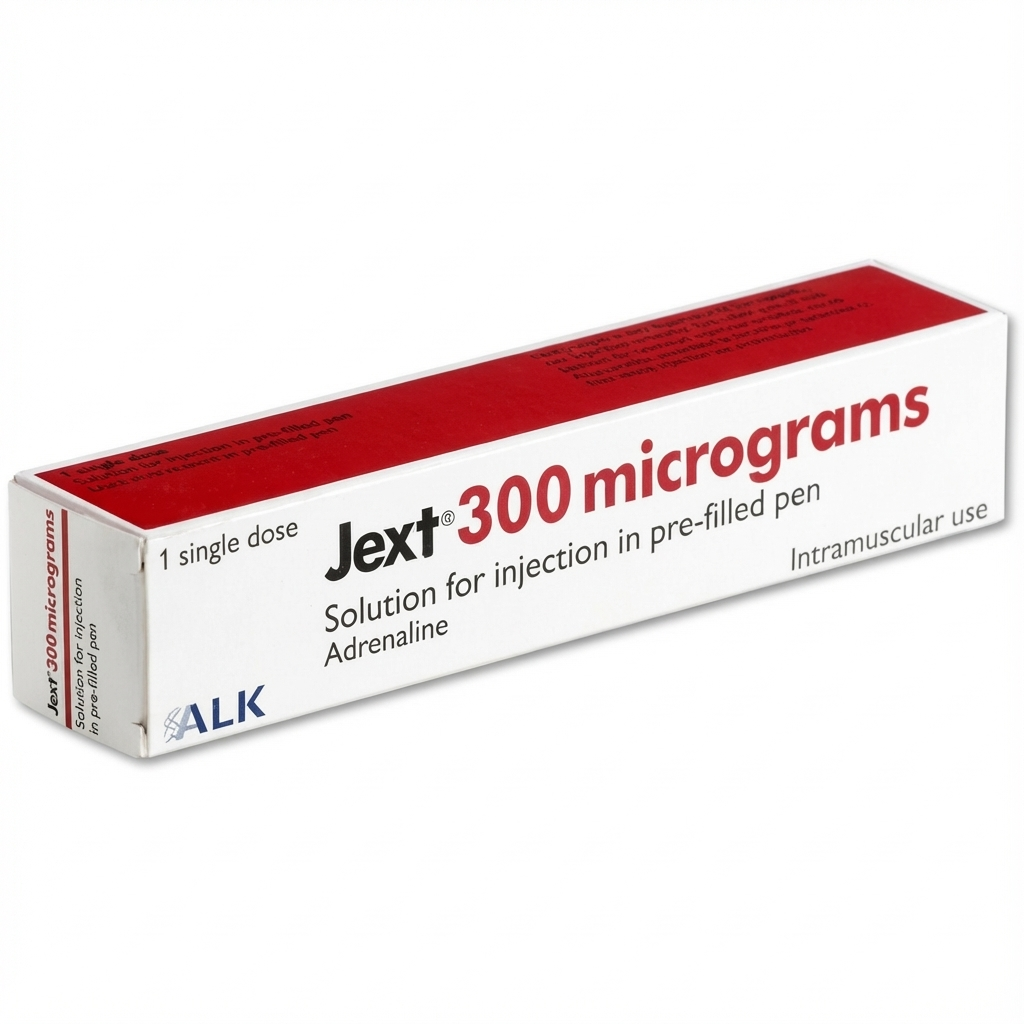
Jext Auto-Injector
Allergy
Levocetirizine Tablets
Allergy
Dymista Nasal Spray
Allergy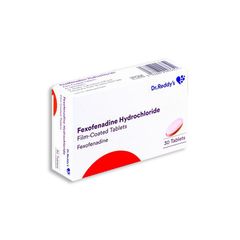
Fexofenadine Tablets
AllergyOn This Page
Allergy Overview
Symptoms & Diagnosis
Treatment Options
Management & Prevention
Quick Navigation: Use the links above to jump directly to specific sections, or scroll down to read the complete guide.
Allergy Treatments We Provide
We provide safe, effective prescription medications for allergy management. All medications are prescribed following a confidential online consultation with our UK-registered doctors.
Neoclarityn Tablets
Prescription-strength desloratadine for long-lasting relief from allergy symptoms like sneezing, itching, and runny nose.
- Active Ingredient Desloratadine
- Type Antihistamine
- Price From £24.99
Desloratadine Tablets
Generic version of Neoclarityn, providing effective 24-hour relief from allergy symptoms.
- Active Ingredient Desloratadine
- Type Antihistamine
- Price From £11.99
Clarityn Tablets
Loratadine tablets for non-drowsy relief from hay fever and other allergic conditions.
- Active Ingredient Loratadine
- Type Antihistamine
- Price From £9.99
Cetirizine Tablets
Fast-acting antihistamine for relief from hay fever, hives, and other allergic reactions.
- Active Ingredient Cetirizine
- Type Antihistamine
- Price From £9.99
Beconase Nasal Spray
Nasal corticosteroid spray for effective control of nasal allergy symptoms.
- Active Ingredient Beclometasone
- Type Nasal Corticosteroid
- Price From £14.99
Telfast Tablets
Fexofenadine tablets for non-drowsy relief from seasonal allergic rhinitis.
- Active Ingredient Fexofenadine
- Type Antihistamine
- Price From £19.99
Understanding Allergies
Allergies are immune system responses to substances that are typically harmless to most people. When someone with allergies encounters an allergen (like pollen, dust mites, or certain foods), their body produces antibodies that trigger the release of chemicals such as histamine, causing allergic symptoms.
Allergy Prevalence in the UK
According to Allergy UK, allergies affect millions of people in the UK:
| Allergy Type | Prevalence | Key Statistics |
|---|---|---|
| Hay Fever | 1 in 5 people | Most common allergic condition |
| Food Allergies | 1-2% of adults, 5-8% of children | Increasing in prevalence |
| Allergic Asthma | Approximately 60% of asthma cases | Triggered by allergens |
| Eczema | 1 in 5 children, 1 in 12 adults | Often related to allergies |
What Causes Allergies?
Allergies occur when the immune system mistakenly identifies a harmless substance as a threat and overreacts. This triggers the release of histamine and other chemicals, causing allergy symptoms.
Risk Factors for Developing Allergies
- Genetics: Family history of allergies or allergic conditions
- Environment: Early exposure to allergens, pollution
- Age: Children are more susceptible, but allergies can develop at any age
- Other conditions: Asthma or eczema increase risk
- Lifestyle factors: Diet, hygiene habits, antibiotic use
Types of Allergies
There are several different types of allergies, each with specific characteristics and triggers:
| Type of Allergy | Characteristics | Common Triggers |
|---|---|---|
| Seasonal Allergies (Hay Fever) | Occur during specific seasons | Tree, grass, weed pollens |
| Perennial Allergies | Year-round symptoms | Dust mites, pet dander, mould |
| Food Allergies | Immune reaction to specific foods | Nuts, shellfish, eggs, milk |
| Insect Sting Allergies | Reaction to insect venom | Bees, wasps, hornets |
| Drug Allergies | Adverse reactions to medications | Penicillin, NSAIDs, antibiotics |
| Contact Dermatitis | Skin reaction from direct contact | Nickel, latex, cosmetics |
Symptoms & Diagnosis
Recognising allergy symptoms early is crucial for effective management and prevention of severe reactions.
Common Allergy Symptoms
According to the NHS, allergy symptoms can affect different parts of the body:
Respiratory Symptoms
- Sneezing
- Runny or blocked nose
- Coughing
- Wheezing or shortness of breath
- Itchy nose, throat, or ears
Eye Symptoms
- Red, itchy, watery eyes
- Swollen eyelids
- Dark circles under eyes
Skin Symptoms
- Hives (urticaria)
- Eczema flare-ups
- Itchy skin or rash
- Swelling (angioedema)
Diagnosing Allergies
Proper allergy diagnosis typically involves several methods to identify specific allergens and determine the best treatment approach:
| Diagnostic Method | Purpose | What It Involves |
|---|---|---|
| Medical History | Understand symptoms and patterns | Questions about symptoms, timing, triggers, family history |
| Skin Prick Test | Identify specific allergens | Small amounts of allergens applied to skin, reaction observed |
| Blood Test (IgE) | Measure allergy antibodies | Blood sample tested for specific IgE antibodies |
| Elimination Diet | Identify food allergies | Removing then reintroducing suspected foods |
Common Allergy Triggers
Identifying and avoiding triggers is an important part of allergy management. Common triggers include:
Outdoor Allergens
- Tree pollen (spring)
- Grass pollen (summer)
- Weed pollen (autumn)
- Mould spores
Indoor Allergens
- Dust mites
- Pet dander
- Indoor mould
- Cockroach droppings
Other Triggers
- Certain foods
- Insect stings
- Medications
- Latex
- Chemicals or fragrances
Recognising an Allergy Emergency (Anaphylaxis)
When to Seek Emergency Help
According to NHS, anaphylaxis is a medical emergency. Seek immediate medical attention if you experience:
- Difficulty breathing or wheezing
- Swelling of the face, lips, tongue, or throat
- Tightness in the chest or throat
- Rapid heartbeat
- Dizziness, lightheadedness, or fainting
- Confusion or anxiety
- Skin reactions including hives and itching
- Nausea, vomiting, or diarrhoea
Call 999 immediately if someone is experiencing symptoms of anaphylaxis. Use an adrenaline auto-injector (EpiPen or Jext) if prescribed and available.
Allergy Treatment Options
Effective allergy treatment involves a combination of medications, avoidance strategies, and lifestyle management. The goal is to control symptoms and prevent allergic reactions.
Oral Antihistamines
Antihistamines block the effects of histamine, reducing symptoms like sneezing, itching, and runny nose.
| Medication | Active Ingredient | How It Works | When to Use |
|---|---|---|---|
| Cetirizine | Cetirizine hydrochloride | Blocks H1 histamine receptors | Once daily, for various allergies |
| Loratadine (Clarityn) | Loratadine | Blocks H1 histamine receptors | Once daily, non-drowsy option |
| Fexofenadine (Telfast) | Fexofenadine hydrochloride | Blocks H1 histamine receptors | Once daily, minimal drowsiness |
| Desloratadine (Neoclarityn) | Desloratadine | Active metabolite of loratadine | Once daily, potent antihistamine |
| Levocetirizine (Xyzal) | Levocetirizine dihydrochloride | More potent form of cetirizine | Once daily, for moderate-severe allergies |
Nasal Corticosteroid Sprays
Nasal sprays reduce inflammation in nasal passages, effectively controlling nasal symptoms of allergies.
| Medication | Active Ingredient | How It Works | When to Use |
|---|---|---|---|
| Beconase | Beclometasone dipropionate | Reduces nasal inflammation | Daily use, for nasal symptoms |
| Flixonase | Fluticasone propionate | Reduces nasal inflammation | Daily use, seasonal/perennial allergies |
| Nasonex | Mometasone furoate | Reduces nasal inflammation | Once daily, long-acting |
| Nasacort | Triamcinolone acetonide | Reduces nasal inflammation | Once daily, prescription strength |
| Avamys | Fluticasone furoate | Reduces nasal inflammation | Once daily, newer formulation |
Combination Treatments
Combination products offer both immediate relief and long-term control of allergy symptoms.
| Medication | Active Ingredients | How It Works | When to Use |
|---|---|---|---|
| Dymista | Azelastine + Fluticasone | Antihistamine + steroid combination | Twice daily, moderate-severe allergic rhinitis |
Emergency Treatments
Emergency medications are essential for managing severe allergic reactions (anaphylaxis).
| Medication | Active Ingredient | How It Works | When to Use |
|---|---|---|---|
| EpiPen | Adrenaline (Epinephrine) | Reverses anaphylaxis symptoms | Emergency use only for anaphylaxis |
| Jext | Adrenaline (Epinephrine) | Reverses anaphylaxis symptoms | Emergency use only for anaphylaxis |
Proper Nasal Spray Technique
Using your nasal spray correctly is essential for getting the right dose of medication. Incorrect technique is a common reason for poor allergy control.
Steps for Proper Nasal Spray Use:
- Gently blow your nose to clear nasal passages
- Remove the cap and shake the bottle if required
- Tilt your head slightly forward
- Insert the nozzle into your nostril, pointing away from the nasal septum
- Close the other nostril with your finger
- Spray while breathing in gently through your nose
- Repeat for the other nostril
- Avoid sniffing hard immediately after spraying
- Wipe the nozzle clean and replace the cap
If you use a corticosteroid nasal spray, it's important to use it regularly as prescribed, not just when symptoms occur.
Allergy Management & Prevention
Effective allergy management involves more than just medication. A comprehensive approach can significantly improve quality of life and reduce the frequency and severity of allergic reactions.
Allergy Management Plan
Every person with significant allergies should have a personalised allergy management plan. This plan typically includes:
| Plan Section | Purpose | What It Includes |
|---|---|---|
| Prevention Strategies | Avoid allergen exposure | Environmental controls, avoidance techniques |
| Regular Medications | Daily symptom control | Preventive medications, daily routines |
| Symptom Management | Handle flare-ups | Rescue medications, symptom diaries |
| Emergency Plan | Handle severe reactions | Emergency contacts, medication instructions |
Lifestyle Management
Certain lifestyle changes can help improve allergy control and reduce the frequency of symptoms:
- Regular exercise: Helps boost immune function (avoid outdoor exercise during high pollen counts)
- Healthy diet: Anti-inflammatory foods may help reduce allergic responses
- Stress management: Stress can worsen allergy symptoms - techniques like meditation can help
- Adequate sleep: Supports immune system function
- Hydration: Helps thin mucus and keep airways clear
Avoiding Allergy Triggers
Identifying and minimising exposure to your personal allergy triggers is crucial:
For Pollen Allergies
- Check daily pollen forecasts
- Keep windows closed during high pollen counts
- Shower and change clothes after being outdoors
- Wear sunglasses outdoors
- Avoid drying laundry outside
For Dust Mite Allergies
- Use allergen-proof mattress and pillow covers
- Wash bedding weekly in hot water (60°C+)
- Reduce indoor humidity (below 50%)
- Remove carpets when possible
- Use a HEPA filter vacuum cleaner
For Pet Allergies
- Keep pets out of bedrooms
- Wash pets regularly
- Use HEPA air purifiers
- Clean frequently with a HEPA vacuum
- Consider hard flooring instead of carpets
Monitoring Your Allergies
Regular monitoring helps track your allergy control and identify when adjustments to your treatment might be needed:
- Symptom diary: Track symptoms, triggers, and medication use
- Pollen counts: Monitor local pollen forecasts
- Peak flow meter: For those with allergic asthma
- Regular reviews: With your healthcare provider
- Allergy testing: Periodic testing if symptoms change
How Our Allergy Treatment Service Works
Getting your allergy medication through Chemist Doctor is simple, discreet, and convenient. Our process is designed to respect your privacy while ensuring you receive safe, appropriate care.
Step 1: Complete Online Consultation
Answer questions about your allergy history, current symptoms, medications, and any other health conditions. Our secure platform ensures your information remains confidential.
Step 2: Medical Review by UK Doctor
A UK-registered doctor reviews your consultation to determine if treatment is appropriate and safe for you. We may contact you for additional information if needed.
Step 3: Prescription Issued
If approved, our doctor issues a prescription which is sent to our partner pharmacy for dispensing.
Step 4: Discreet Delivery
Your medication is packaged discreetly and delivered to your chosen address via tracked delivery.
What to Expect During Consultation
Our allergy consultation typically includes questions about:
- Your allergy symptoms and their frequency
- Known allergens and triggers
- Current medications and treatments
- History of allergic reactions or emergency treatments
- Other health conditions and medications
- Lifestyle factors and environment
Honest, complete answers ensure our doctors can make the safest recommendations for your situation.
Allergy Treatment FAQs
Are allergy medications safe to use?
Yes, when prescribed appropriately and used as directed, allergy medications are safe and effective. All medications available through Chemist Doctor are approved by the UK Medicines and Healthcare products Regulatory Agency (MHRA) and are prescribed only when our doctors determine they are safe for you based on your medical history and current health status.
Can I get prescription allergy medication without seeing a GP?
Yes, our UK-registered clinicians can prescribe allergy medications after an online consultation, provided you meet the treatment criteria, have no contraindications, and your symptoms are appropriate for remote assessment. For complex cases or first-time severe allergies, we may recommend seeing your GP.
Which is better: cetirizine or loratadine?
Both are effective second-generation antihistamines. Cetirizine works faster (within 1 hour) but has a slightly higher risk of drowsiness (5-10% of users). Loratadine takes 1-3 hours to work but is generally non-drowsy. Fexofenadine is another excellent option with minimal drowsiness. Individual response varies, so our clinicians can help determine which is best for your specific symptoms and lifestyle.
How quickly will I receive my allergy medication?
For orders approved before 3pm on weekdays, we aim to dispatch the same day for next-day delivery. Standard delivery takes 2-3 business days. We understand that allergy medication can be essential, especially during peak seasons, so we prioritise these orders.
How long does it take for nasal sprays to work?
Nasal corticosteroid sprays may provide some relief within 12-24 hours, but maximum benefit typically occurs after 3-7 days of regular use. They work best when used consistently throughout allergy season, not just when symptoms occur. Combination sprays like Dymista provide faster relief due to the antihistamine component.
Can I take antihistamines every day?
Most modern antihistamines are safe for daily use during allergy seasons. However, long-term use should be monitored by a healthcare professional, especially if you have other medical conditions (like kidney or liver problems) or take other medications. For perennial allergies, year-round use may be appropriate under medical supervision.
When should I use an EpiPen?
EpiPen or Jext should be used immediately if you experience symptoms of anaphylaxis: difficulty breathing, throat/tongue swelling, rapid heartbeat, dizziness, feeling faint, or widespread hives. After use, call 999 immediately and lie down with legs elevated. These are emergency devices only - not for routine allergy symptoms.
What is Dymista and when is it prescribed?
Dymista is a combination nasal spray containing both an antihistamine (azelastine) and a steroid (fluticasone). It's prescribed for moderate to severe allergic rhinitis when single treatments haven't provided adequate relief. It offers both immediate symptom relief and long-term inflammation control. Our clinicians can assess if Dymista is appropriate for your symptoms.
Can children take prescription allergy medications?
Some allergy medications are approved for children at lower doses (e.g., cetirizine from age 2, loratadine from age 2). Nasal sprays have specific age restrictions. Our service can prescribe for children aged 12+, and for younger children, we recommend consultation with a paediatrician or your GP. Always use children's formulations at appropriate doses.
Can I drink alcohol while taking allergy medication?
Most modern antihistamines don't interact significantly with alcohol, but alcohol can worsen drowsiness with some medications. Nasal sprays typically have no alcohol interactions. Always check the specific medication leaflet and consult with our clinicians. As a general rule, avoid or limit alcohol when starting a new allergy medication.

Medical Content Manager
Nabeel is a co-founder, and medical content manager of Chemist Doctor. He works closely with our medical team to ensure the information is accurate and up-to-date.

Medical Doctor
Dr. Talal is a GMC registered doctor and medical reviewer at Chemist Doctor. He ensures clinical accuracy and reliability across health content.

Medical Director
Usman is a co-founder, and medical director of Chemist Doctor. He leads the organisation's strategic vision, bridging clinical and operational priorities.
Review Date: 17 December 2025
Next Review: 15 July 2026
Published on: 16 December 2025
Last Updated: 17 December 2025
Content accuracy verified against: BNF 85, NICE CKS, MHRA guidance