

Combined Contraceptive Pill
The combined contraceptive pill contains two hormones – estrogen and progestogen – that work together to prevent pregnancy. At Chemist Doctor, we offer a range of combined pill brands, each with different hormone types and doses to suit individual needs. Our UK-registered clinicians can help you find the right combined contraceptive pill through our confidential online consultation service.
View Treatment Options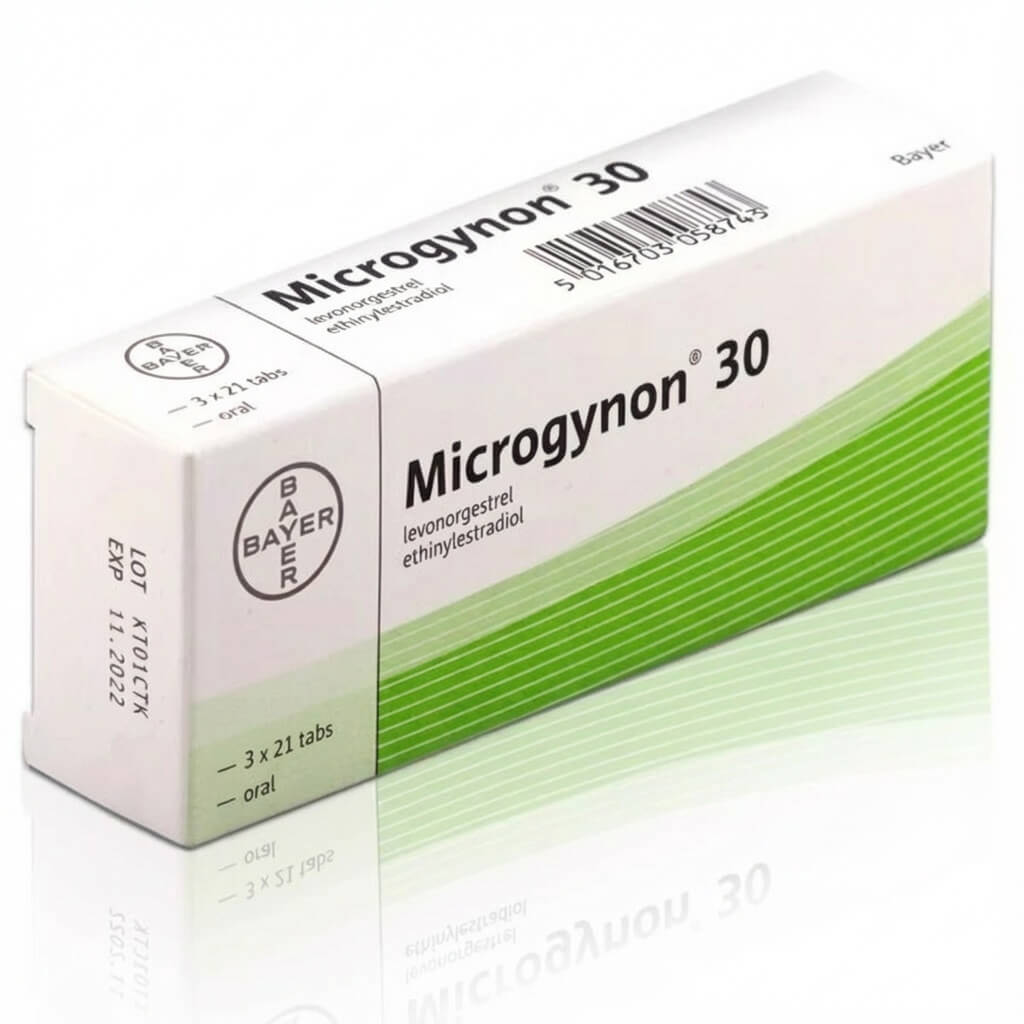
Microgynon Pill
Combined Contraceptive Pill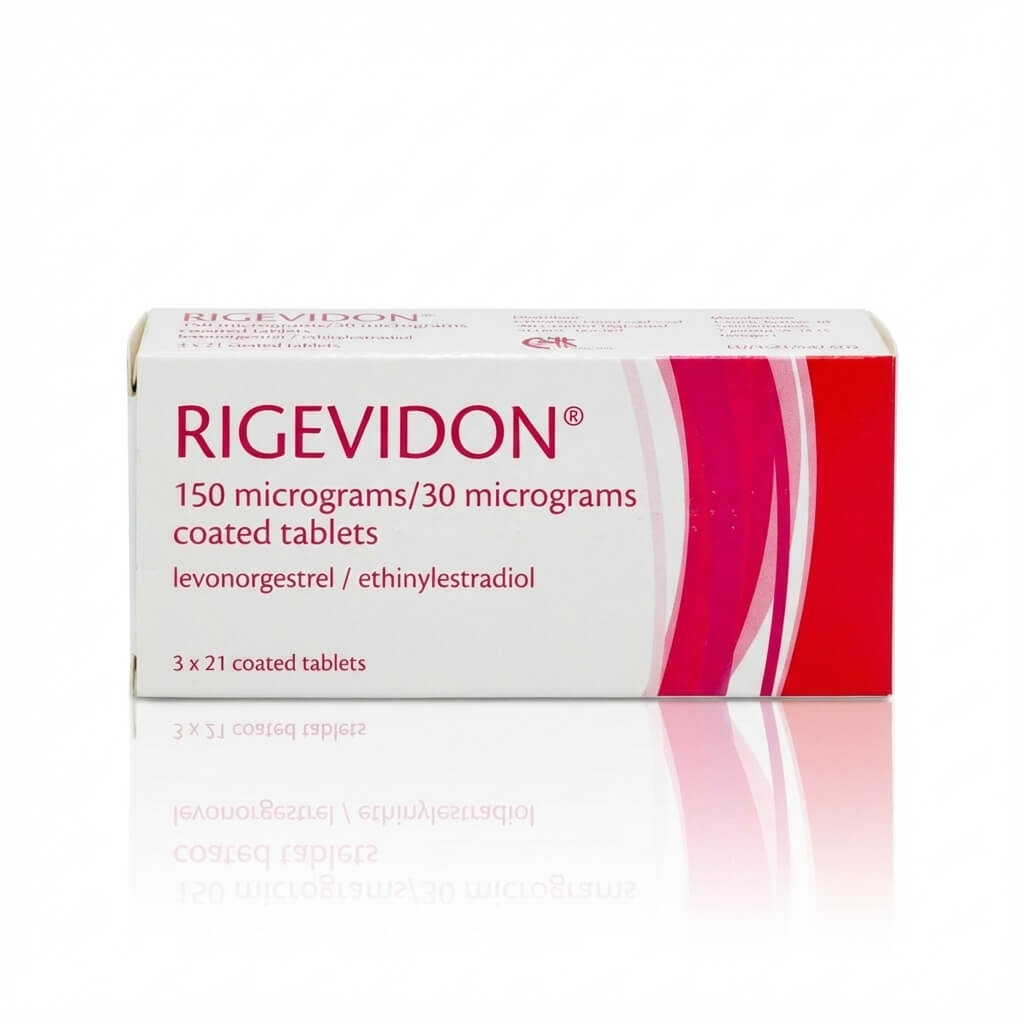
Rigevidon Pill
Combined Contraceptive Pill
Yasmin Pill
Combined Contraceptive Pill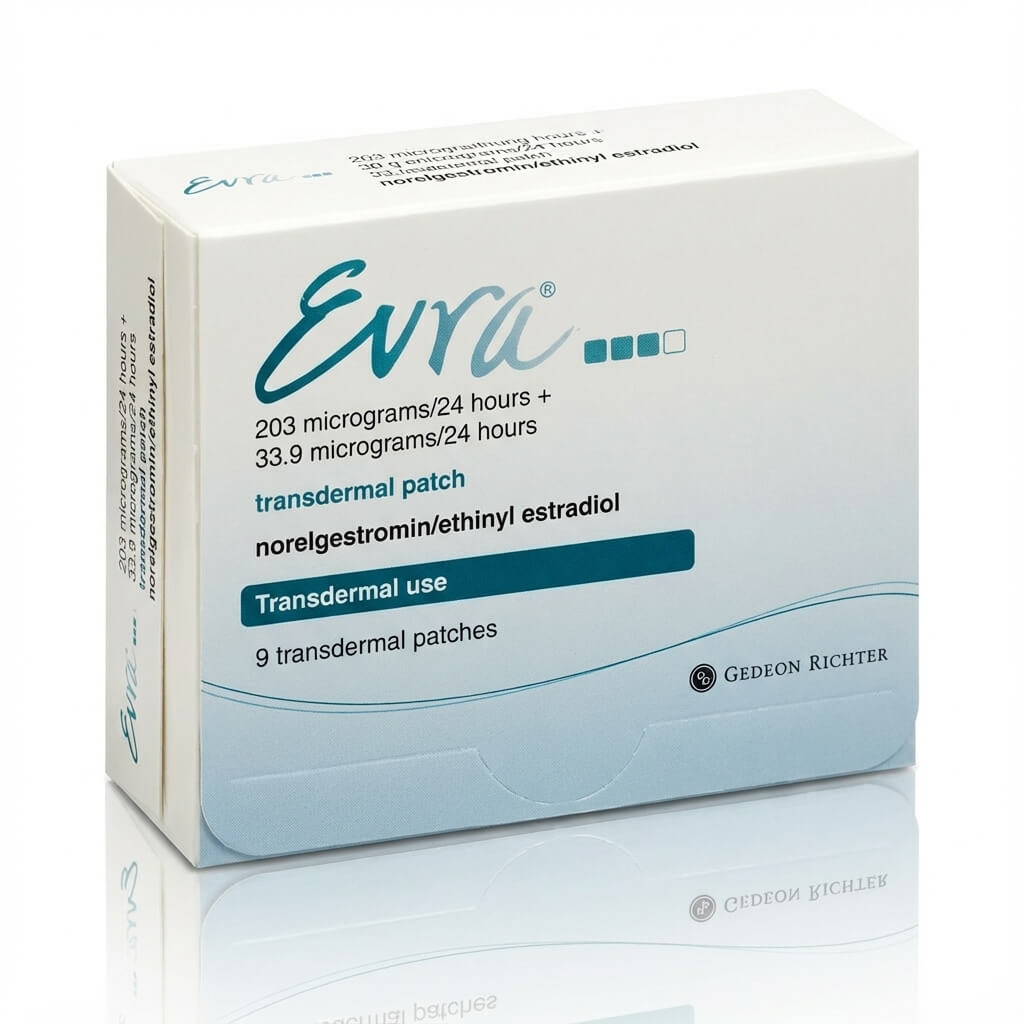
Evra Patch
Combined Contraceptive Pill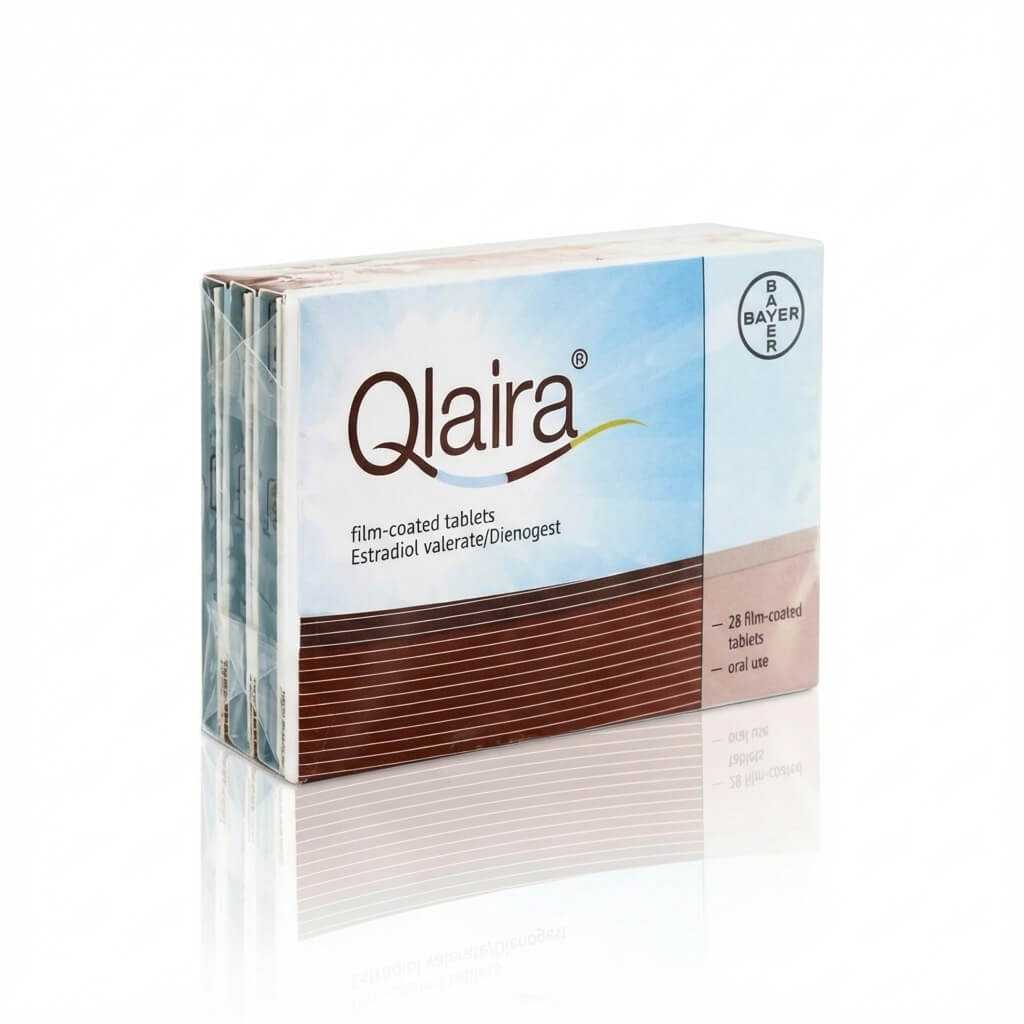
Qlaira Tablets
Combined Contraceptive Pill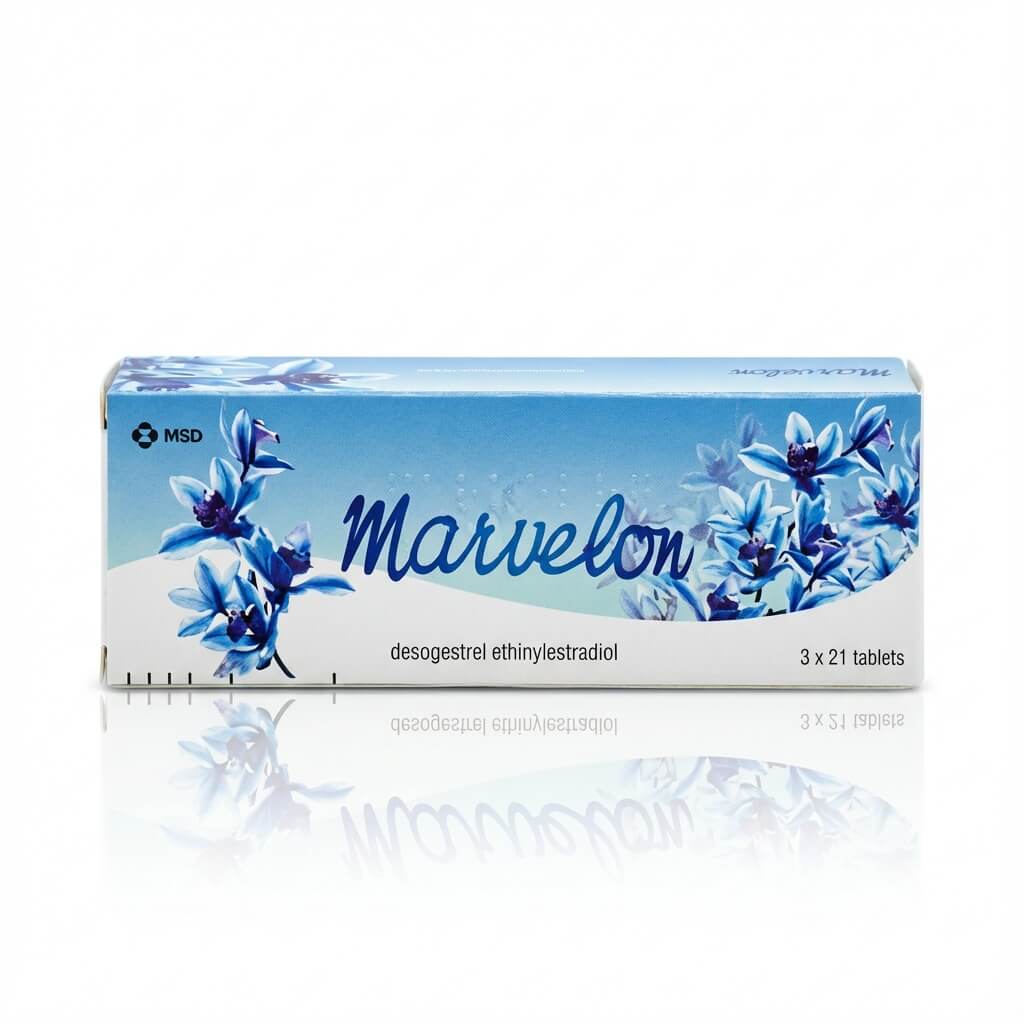
Marvelon Pill
Combined Contraceptive Pill
Femodene Tablets
Combined Contraceptive Pill
Logynon
Combined Contraceptive Pill
Zoely Tablets
Combined Contraceptive Pill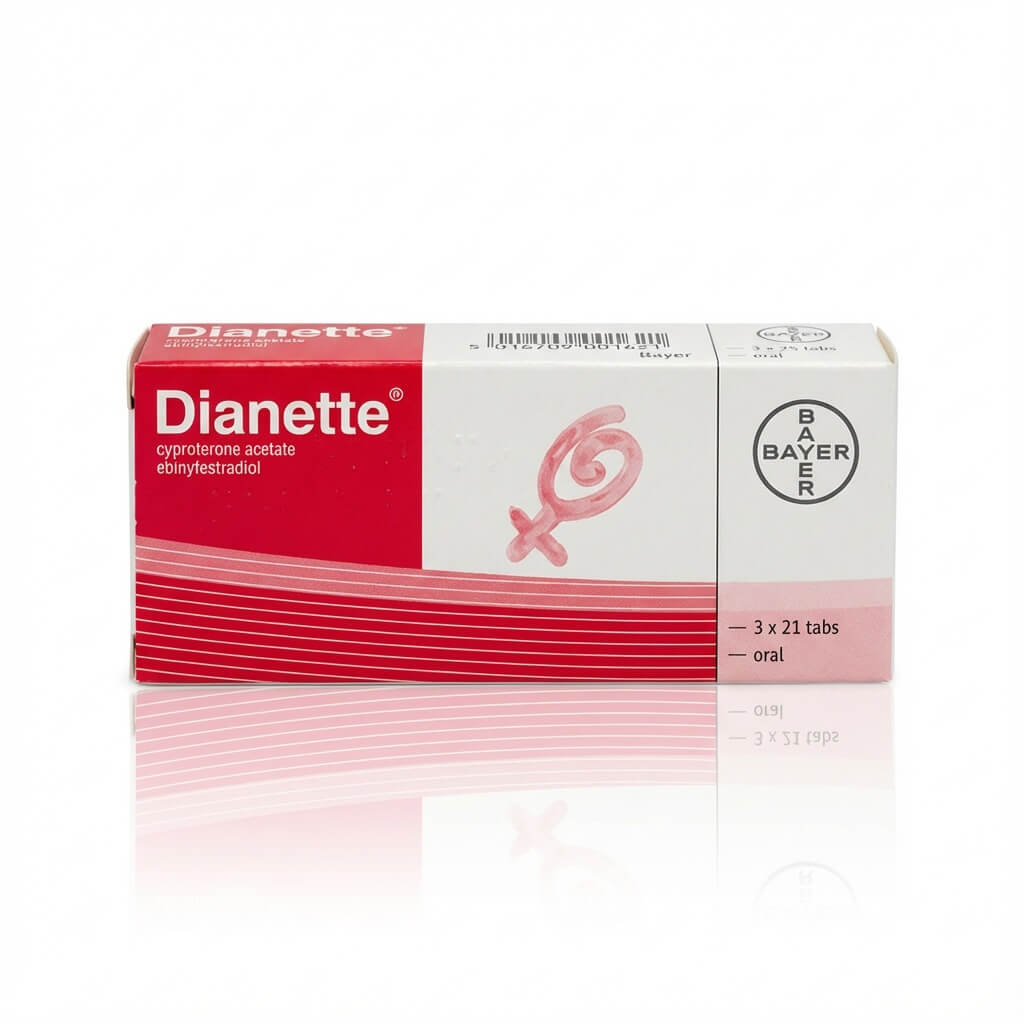
Dianette Pills
Combined Contraceptive Pill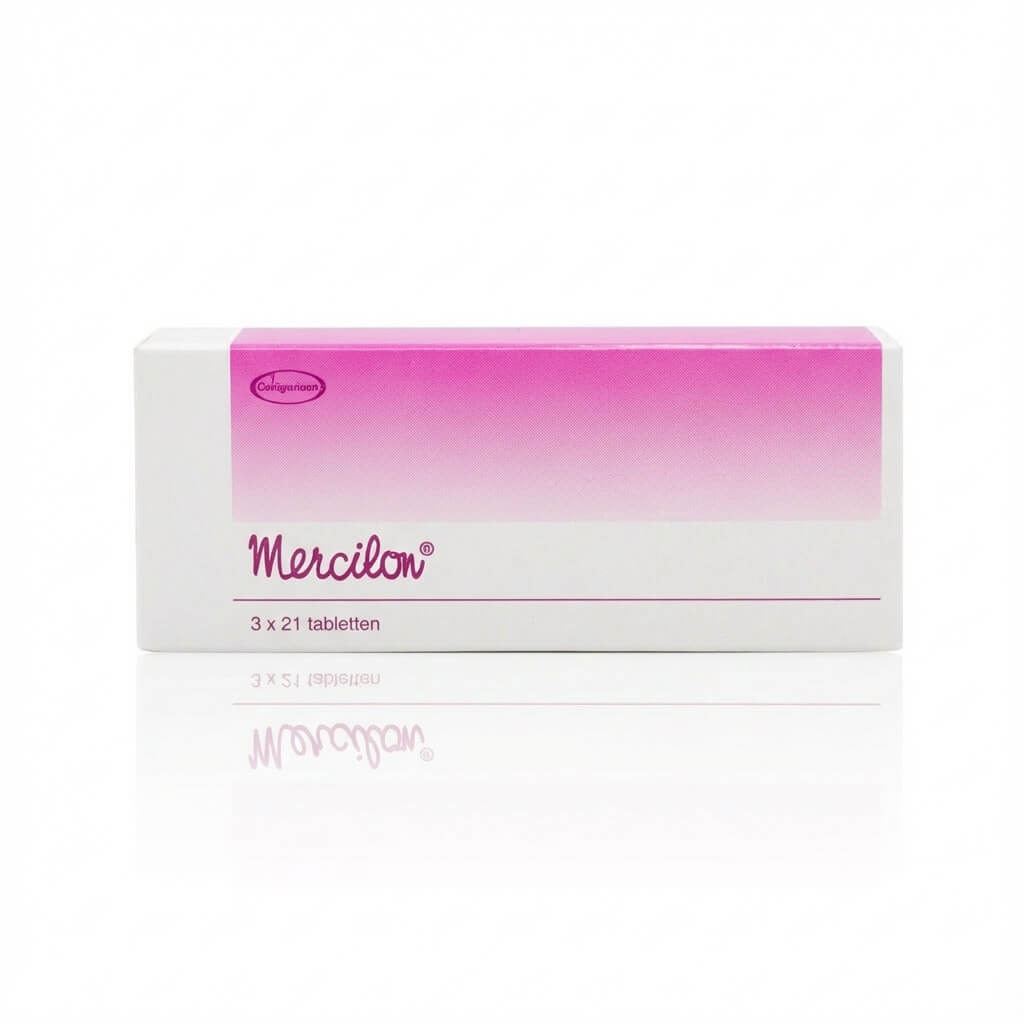
Mercilon
Combined Contraceptive PillOn This Page
Contraceptive Overview
Types & Brands
Usage & Management
Considerations
Quick Navigation: Use the links above to jump directly to specific sections, or scroll down to read the complete guide.
Combined Contraceptive Pill Treatments We Provide
We provide a range of safe, effective prescription contraceptive pills for reliable birth control. All medications are prescribed following a confidential online consultation with our UK-registered doctors.
Microgynon
Monophasic combined pill containing ethinylestradiol and levonorgestrel for reliable contraception.
- Active Ingredients Ethinylestradiol + Levonorgestrel
- Type Monophasic Combined Pill
- Price £12.99
Rigevidon
Generic version of Microgynon containing ethinylestradiol and levonorgestrel for cost-effective contraception.
- Active Ingredients Ethinylestradiol + Levonorgestrel
- Type Monophasic Combined Pill
- Price £14.99
Yasmin
Combined pill containing ethinylestradiol and drospirenone, may help with fluid retention and acne.
- Active Ingredients Ethinylestradiol + Drospirenone
- Type Monophasic Combined Pill
- Price £27.95
Evra Patch
Weekly contraceptive patch containing ethinylestradiol and norelgestromin for convenient contraception.
- Active Ingredients Ethinylestradiol + Norelgestromin
- Type Contraceptive Patch
- Price £29.99
Qlaira
Multiphasic combined pill containing natural estrogen (estradiol valerate) and dienogest.
- Active Ingredients Estradiol valerate + Dienogest
- Type Multiphasic Combined Pill
- Price £39.99
Marvelon
Combined pill containing ethinylestradiol and desogestrel with lower androgenic activity.
- Active Ingredients Ethinylestradiol + Desogestrel
- Type Monophasic Combined Pill
- Price From £39.99
Understanding Combined Contraceptive Pills
The combined oral contraceptive pill (COCP) contains two synthetic female hormones: an estrogen (usually ethinylestradiol) and a progestogen. These hormones work together to prevent pregnancy through three main mechanisms.
How Combined Contraceptive Pills Work
Combined contraceptive pills prevent pregnancy through multiple mechanisms:
| Mechanism | How It Works | Effectiveness |
|---|---|---|
| Ovulation Suppression | Prevents the release of an egg from the ovaries | Primary mechanism of action |
| Cervical Mucus Thickening | Creates a barrier that sperm cannot easily penetrate | Secondary protective mechanism |
| Endometrial Thinning | Makes the uterine lining less receptive to a fertilized egg | Tertiary protective mechanism |
How Effective is the Combined Pill?
When taken correctly (at the same time every day without missing pills), the combined contraceptive pill is over 99% effective. This means fewer than 1 woman in 100 will get pregnant in a year when using it perfectly.
| Usage Type | Effectiveness Rate | Pregnancies per 100 Women per Year |
|---|---|---|
| Perfect Use | Over 99% effective | Less than 1 |
| Typical Use | Around 91% effective | About 9 |
Benefits Beyond Contraception
Many women experience additional benefits from taking combined contraceptive pills:
Menstrual Benefits
- Lighter, more regular periods
- Reduced menstrual cramps
- Less blood loss (helpful for anaemia)
- Predictable cycle timing
- Ability to delay or skip periods
Health Benefits
- Reduced risk of ovarian cancer
- Reduced risk of endometrial cancer
- Reduced risk of colorectal cancer
- Improved acne (some brands)
- Reduction in ovarian cysts
Important Safety Information
The combined pill is not suitable for all women. You should not take it if you have certain medical conditions including:
- History of blood clots, stroke, or heart disease
- Severe migraines with aura
- Liver disease or liver tumors
- Breast cancer or history of breast cancer
- Uncontrolled high blood pressure
- Diabetes with complications
Smoking and being over 35 significantly increases risks. Always consult with a healthcare professional before starting any contraceptive pill.
Types & Brands of Combined Contraceptive Pills
Different brands contain different types and amounts of hormones, which can affect side effects, menstrual patterns, and suitability for individual women.
Types of Combined Contraceptive Pills
| Pill Type | Hormone Pattern | Common Brands | Best For |
|---|---|---|---|
| Monophasic | Same hormone dose throughout cycle | Microgynon, Rigevidon, Yasmin, Marvelon | Most women, predictable periods |
| Biphasic | Two different hormone phases | BiNovum | Specific cycle regulation needs |
| Triphasic | Three different hormone phases | Logynon, TriRegol | Mimicking natural cycle, reducing side effects |
| Everyday (ED) | Active pills + placebo pills in one pack | Microgynon ED, Rigevidon ED | Women who prefer taking a pill every day |
| Natural Estrogen | Contains estradiol valerate (natural estrogen) | Qlaira, Zoely | Women concerned about synthetic estrogen |
Popular Combined Pill Brands Comparison
| Brand | Estrogen | Progestogen | Key Features | Price Range | Action |
|---|---|---|---|---|---|
| Microgynon | 30μg ethinylestradiol | 150μg levonorgestrel | Most commonly prescribed, reliable | £12.99 | View |
| Rigevidon | 30μg ethinylestradiol | 150μg levonorgestrel | Generic version of Microgynon | £14.99 | View |
| Yasmin | 30μg ethinylestradiol | 3mg drospirenone | May help with fluid retention, acne | £27.95 | View |
| Marvelon | 30μg ethinylestradiol | 150μg desogestrel | Lower androgenic activity | From £39.99 | View |
| Qlaira | Estradiol valerate (varies) | Dienogest (varies) | Natural estrogen, multiphasic | £39.99 | View |
| Evra Patch | 600μg/week ethinylestradiol | 6mg/week norelgestromin | Weekly patch, not daily pill | £29.99 | View |
Choosing the Right Pill
Our clinicians consider several factors when recommending a combined contraceptive pill:
Medical History Considerations
- History of blood clots or thrombosis
- Migraine with aura
- High blood pressure
- Liver conditions
- Breast cancer or family history
Lifestyle Factors
- Smoking status
- Age (over 35 increases risks)
- BMI (over 35 may affect effectiveness)
- Medications you're taking
Side Effect Preferences
- Weight gain concerns
- Acne or skin issues
- Mood changes
- Menstrual bleeding patterns
Usage & Management of Combined Contraceptive Pills
Proper usage is essential for effectiveness and safety when taking combined contraceptive pills.
How to Take Combined Contraceptive Pills
Most combined pills follow a standard regimen:
| Pill Type | Standard Regimen | When to Start | When Protected |
|---|---|---|---|
| 21-day pills | 21 active pills, 7 pill-free days | Day 1 of period (immediate protection) or any day (use condoms for 7 days) | Immediate if started day 1, otherwise after 7 days |
| ED pills | 21 active pills + 7 inactive pills | Day 1 of period (immediate protection) or any day (use condoms for 7 days) | Immediate if started day 1, otherwise after 7 days |
| Evra Patch | 1 patch weekly for 3 weeks, 1 week patch-free | Day 1 of period (immediate protection) or any day (use condoms for 7 days) | Immediate if started day 1, otherwise after 7 days |
What to Do If You Miss a Pill
It depends on how many pills you've missed and when:
| Situation | Action Required | Additional Protection Needed |
|---|---|---|
| 1 pill missed (less than 24 hours late) | Take it as soon as you remember, take the next one at the usual time | No additional protection needed |
| 1 pill missed (more than 24 hours late) | Take the most recent missed pill, leave any earlier ones | Use condoms for 7 days |
| 2+ pills missed | Take the most recent missed pill, leave earlier ones. May need emergency contraception | Use condoms for 7 days |
Common Side Effects & Management
Most side effects improve after the first 2-3 months of use. Common side effects include:
Common Early Side Effects
- Nausea (take with food or at bedtime)
- Breast tenderness
- Headaches
- Mood changes
- Breakthrough bleeding or spotting
Side Effects That May Persist
- Changes in libido
- Weight changes
- Skin changes (improvement or worsening of acne)
- Menstrual changes (lighter periods)
When to Seek Medical Advice
- Severe headaches with visual changes
- Chest pain or shortness of breath
- Severe leg pain or swelling
- Severe abdominal pain
- Side effects persisting beyond 3 months
Medication Interactions
Certain medications can reduce the effectiveness of combined contraceptive pills:
- Antibiotics: Rifampicin and rifabutin (others generally not problematic)
- Anticonvulsants: Carbamazepine, phenytoin, primidone, topiramate
- HIV medications: Some protease inhibitors and NNRTIs
- Herbal remedies: St John's Wort (hypericum perforatum)
- Other: Griseofulvin, modafinil
Always inform your doctor about all medications and supplements you're taking.
Considerations for Combined Contraceptive Pill Use
Understanding who can and cannot take combined contraceptive pills is crucial for safe and effective contraception.
Who Can Take Combined Contraceptive Pills?
Combined pills are suitable for most healthy, non-smoking women under 35 who:
- Have no history of blood clots or clotting disorders
- Do not have migraine with aura
- Have normal blood pressure
- Have no history of breast cancer
- Have no liver disease
- Are not significantly overweight (BMI under 35)
- Do not smoke or are under 35 if they smoke
Who Should Avoid Combined Contraceptive Pills
Combined pills are contraindicated in women with certain medical conditions:
| Condition | Reason for Contraindication | Alternative Options |
|---|---|---|
| History of blood clots | Increased risk of recurrence | Progestogen-only pill, IUD, implant |
| Migraine with aura | Increased stroke risk | Progestogen-only methods |
| Breast cancer | Hormone-sensitive cancer | Non-hormonal methods |
| Liver disease | Metabolized by liver, can worsen disease | Non-oral methods |
| Smokers over 35 | Dramatically increased cardiovascular risk | Progestogen-only or non-hormonal methods |
Health Risks & Monitoring Requirements
While generally safe, combined contraceptive pills carry some risks that require monitoring:
Risks to Monitor
- Blood clots (highest in first year)
- Stroke (especially with migraine with aura)
- Heart attack (rare in healthy young women)
- High blood pressure
- Gallbladder disease
- Liver tumors (very rare)
Monitoring Requirements
- Blood pressure check before starting and annually
- Regular review of risk factors
- Breast awareness
- Reporting any concerning symptoms promptly
- Annual review with healthcare provider
Alternative Contraception Options
If combined pills aren't suitable, consider these alternatives:
| Alternative | Type | Best For | Effectiveness |
|---|---|---|---|
| Progestogen-only pill | Oral contraceptive | Women who can't take estrogen | Over 99% with perfect use |
| Contraceptive implant | Subdermal implant | Long-term, forgettable contraception | Over 99% |
| IUD (copper or hormonal) | Intrauterine device | Long-term, reversible contraception | Over 99% |
| Contraceptive injection | Injectable contraceptive | Quarterly administration | Over 99% |
How Our Combined Contraceptive Pill Service Works
Getting your contraceptive medication through Chemist Doctor is simple, discreet, and convenient. Our process is designed to respect your privacy while ensuring you receive safe, appropriate care.
Step 1: Complete Online Consultation
Answer questions about your medical history, current health status, contraceptive needs, and any other health conditions. Our secure platform ensures your information remains confidential.
Step 2: Medical Review by UK Doctor
A UK-registered doctor reviews your consultation to determine if treatment is appropriate and safe for you. We may contact you for additional information if needed.
Step 3: Prescription Issued
If approved, our doctor issues a prescription which is sent to our partner pharmacy for dispensing.
Step 4: Discreet Delivery
Your medication is packaged discreetly and delivered to your chosen address via tracked delivery.
What to Expect During Consultation
Our contraceptive pill consultation typically includes questions about:
- Your medical history and any current health conditions
- Blood pressure status (may need recent reading)
- Smoking status and age
- Family medical history (especially blood clots, breast cancer)
- Current medications and supplements
- Previous contraceptive use and experiences
- Menstrual history and any concerns
Honest, complete answers ensure our doctors can make the safest recommendations for your situation.
Cost & Prescription Information
| Service | Cost | What's Included |
|---|---|---|
| Online Consultation | £19.99 | Medical review by UK doctor, prescription if appropriate |
| Standard Delivery | Free | 2-3 working days, tracked, discreet packaging |
| Next-Day Delivery | £3.99 | Next working day (order by 4 PM) |
| Medication Cost | From £12.99 | Varies by brand and quantity prescribed |
Combined Contraceptive Pill FAQs
What's the difference between combined pills and mini-pills?
Combined pills contain both estrogen and progestogen, while mini-pills (progestogen-only pills) contain only progestogen. Combined pills are generally more effective, have a larger time window for taking them (12 hours vs 3 hours for some mini-pills), but have more contraindications and risks. Mini-pills are safer for women who can't take estrogen (smokers over 35, history of blood clots, etc.).
Can I get the combined pill without seeing a doctor in person?
Yes, through our online service. UK-registered clinicians can prescribe the combined pill after reviewing your online consultation, provided you meet the safety criteria. We follow the same clinical guidelines as in-person consultations. You'll need to provide accurate medical information and may need blood pressure measurements (which can often be done at a local pharmacy).
How quickly does the combined pill start working?
If you start taking the combined pill on the first day of your period, you're protected from pregnancy immediately. If you start at any other time in your cycle, you need to use additional contraception (like condoms) for the first 7 days of pill-taking. The Evra patch follows the same rules - immediate protection if started on day 1 of period, otherwise 7 days of additional protection needed.
What should I do if I miss a pill?
It depends on how many pills you've missed and when:
- 1 pill missed (less than 24 hours late): Take it as soon as you remember, take the next one at the usual time. Protection not affected.
- 1 pill missed (more than 24 hours late) OR 2+ pills missed: Take the most recent missed pill, leave any earlier ones. Use condoms for 7 days. May need emergency contraception if you had unprotected sex in the pill-free interval or first week of pack.
- Always refer to the specific leaflet for your brand, as guidelines can vary slightly between different pills.
Can the combined pill help with acne or heavy periods?
Yes, many women experience improved acne and lighter, more regular periods on the combined pill. Certain pills like Yasmin and Dianette (which is also licensed specifically for acne) contain progestogens with anti-androgenic effects that can particularly help with acne. For heavy periods, most combined pills will make periods lighter, but triphasic pills like Logynon may provide the most natural-feeling cycle.
Are there any long-term risks with taking the combined pill?
The combined pill is generally safe for long-term use in healthy, non-smoking women under 35. There's a small increased risk of blood clots (especially in the first year), which is higher with certain pills and in women with other risk factors (smoking, obesity, family history). The pill slightly increases breast cancer risk while taking it, but this returns to normal 10 years after stopping. It actually reduces the risk of ovarian, endometrial, and colorectal cancer. Regular check-ups (blood pressure, review of risk factors) are recommended.
Can I switch between different combined pill brands?
Yes, but it should be done under medical guidance. When switching between different combined pills, you usually start the new pill immediately after finishing the active pills in your current pack (skip any placebo/inactive pills). You should use additional contraception for 7 days unless you're switching to a pill with the same or higher estrogen dose and starting within the pill-free interval. Our clinicians can advise on the correct switching method for your specific situation.

Medical Content Manager
Nabeel is a co-founder, and medical content manager of Chemist Doctor. He works closely with our medical team to ensure the information is accurate and up-to-date.

Medical Doctor
Dr. Talal is a GMC registered doctor and medical reviewer at Chemist Doctor. He ensures clinical accuracy and reliability across health content.

Medical Director
Usman is a co-founder, and medical director of Chemist Doctor. He leads the organisation's strategic vision, bridging clinical and operational priorities.
Review Date: 29 November 2025
Next Review: 15 May 2026
Published on: 28 November 2025
Last Updated: 29 November 2025