

Dental Care
- Dental Care encompasses all practices and treatments that maintain oral health, including teeth, gums, and the entire oral cavity.
- Common dental problems like tooth decay, gum disease, and sensitivity are largely preventable with proper oral hygiene and regular professional care.
- Effective Dental Care treatment addresses both the symptoms and underlying causes of oral health issues.
- Professional treatments include prescription-strength products like Duraphat Toothpaste, Chlorhexidine Mouthwash, and natural remedies like Clove Oil.
- Regular dental check-ups combined with proper daily oral hygiene form the foundation of effective preventive Dental Care.
- Oral health is closely linked to overall health, with research connecting poor dental health to cardiovascular disease, diabetes complications, and other systemic conditions.
Find Dental Care Treatments
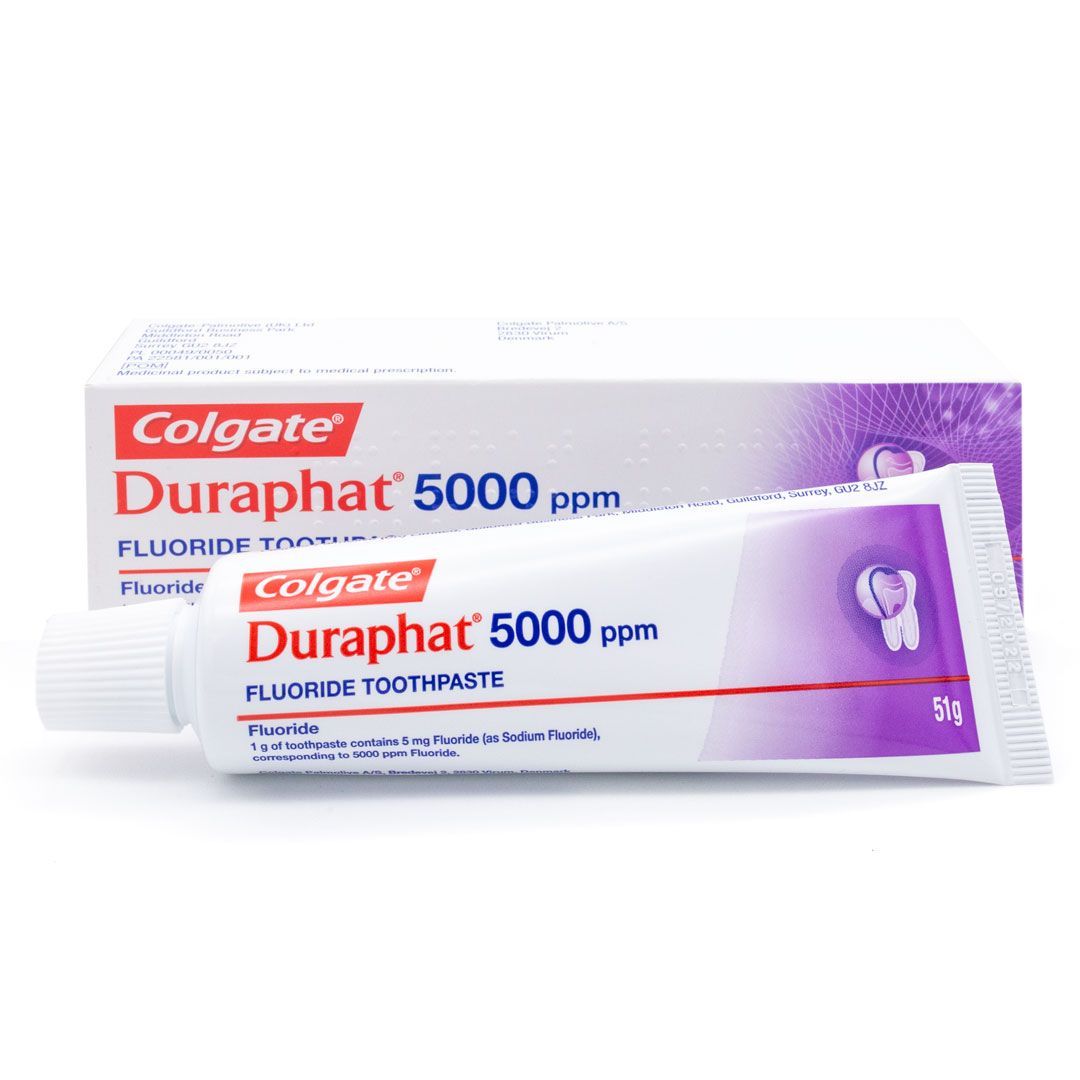
Colgate Duraphat Toothpaste
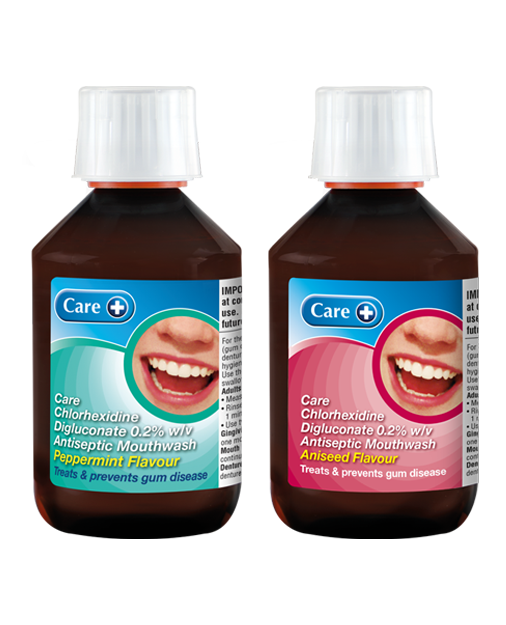
Chlorhexidine Mouthwash
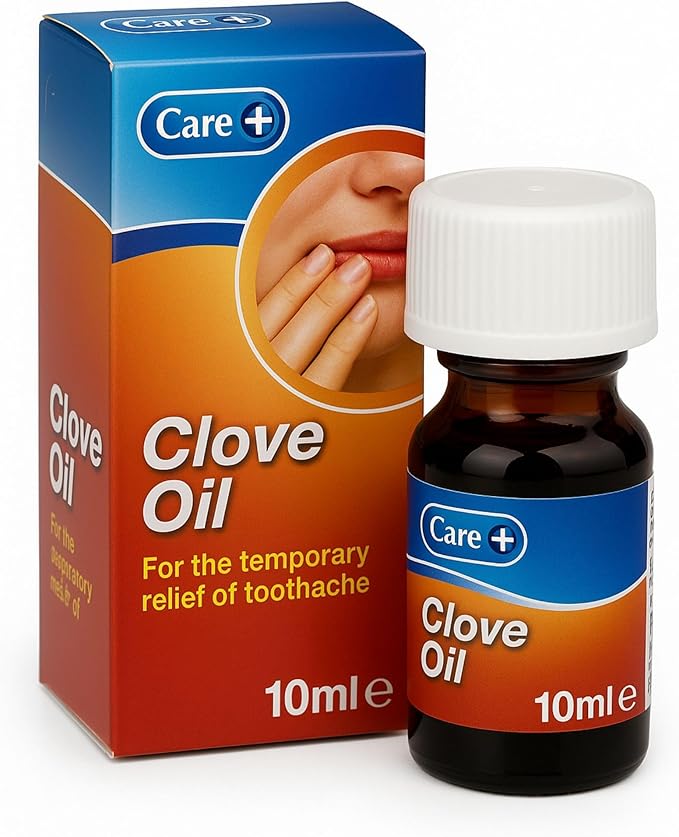
Clove Oil
What Is Dental Care?
Dental Care refers to the comprehensive maintenance of healthy teeth, gums, and the entire oral cavity through both personal hygiene practices and professional dental services. It encompasses preventive measures, diagnostic procedures, and therapeutic treatments designed to preserve oral health and function. Beyond simply brushing and flossing, modern Dental Care recognises the mouth as a window to overall health, with strong connections between oral health and systemic conditions like cardiovascular disease, diabetes, and respiratory infections.
The scope of Dental Care extends far beyond cavity prevention. It includes the management of gum health, oral cancer screening, correction of misaligned teeth, replacement of missing teeth, treatment of oral infections, and management of conditions affecting the jaw joints and facial muscles. Comprehensive Dental Care treatment addresses both the aesthetic and functional aspects of oral health, recognising that a healthy mouth contributes significantly to quality of life, self-confidence, and overall wellbeing.
In the UK, oral health remains a significant public health concern. According to recent statistics:
- 31% of adults have tooth decay
- 45% of adults do not visit a dentist regularly
- Gum disease affects most adults to some degree during their lifetime
- Tooth extraction remains the most common reason for hospital admission in children aged 5-9 years
- Oral cancer cases have increased by 58% in the last decade
These statistics highlight the critical importance of proper Dental Care and the need for accessible Dental Care treatment options. The good news is that most dental diseases are preventable with consistent oral hygiene practices, regular professional care, and early intervention when problems arise. Understanding the principles of effective Dental Care empowers individuals to take control of their oral health and prevent the pain, expense, and health complications associated with dental neglect.
What Causes Common Dental Problems?
Most dental problems result from a combination of factors including bacterial activity, dietary habits, oral hygiene practices, genetic predisposition, and lifestyle choices. Understanding these causes is essential for effective prevention and targeted Dental Care treatment.
Biological and Microbiological Factors
These factors form the fundamental basis for most common dental conditions and are primary targets for Dental Care treatment interventions.
- Dental Plaque Formation: The mouth contains hundreds of bacterial species that constantly form a sticky, colourless film called plaque on tooth surfaces. When plaque isn't regularly removed through brushing and flossing, it hardens into tartar (calculus), which can only be removed professionally.
- Acid Production: Certain bacteria in plaque, particularly Streptococcus mutans, feed on sugars and carbohydrates from food and drinks, producing acids as byproducts. These acids dissolve tooth enamel in a process called demineralization, leading to cavities.
- Inflammatory Response: Bacterial toxins from plaque trigger an inflammatory response in gum tissue, leading to gingivitis (early gum disease). If untreated, this can progress to periodontitis, where the inflammation destroys the bone supporting teeth.
- Genetic Factors: Some individuals are genetically predisposed to certain dental conditions, including susceptibility to tooth decay, gum disease, misaligned teeth, and enamel defects. While genetics play a role, they don't determine destiny – proper Dental Care can mitigate these risks.
Dietary and Lifestyle Factors
Daily habits and choices significantly impact oral health and the need for Dental Care treatment.
- Sugar Consumption: Frequent consumption of sugary foods and drinks provides constant fuel for acid-producing bacteria. The frequency of sugar exposure is often more damaging than the total quantity consumed.
- Acidic Foods and Drinks: Citrus fruits, fruit juices, carbonated drinks, and wine can directly erode tooth enamel, making teeth more vulnerable to decay and sensitivity.
- Tobacco Use: Smoking and tobacco use significantly increase the risk of gum disease, oral cancer, tooth staining, and delayed healing after dental procedures.
- Alcohol Consumption: Excessive alcohol dries the mouth (reducing protective saliva), can be acidic, and is linked to increased oral cancer risk.
- Medications: Many medications cause dry mouth (xerostomia) as a side effect, reducing saliva's natural protective and cleansing functions.
Behavioural and Environmental Factors
- Poor Oral Hygiene: Inconsistent or improper brushing and flossing allows plaque to accumulate and harden, leading to multiple dental problems.
- Infrequent Dental Visits: Skipping regular check-ups and professional cleanings allows minor issues to progress into serious conditions requiring extensive Dental Care treatment.
- Teeth Grinding (Bruxism): Often stress-related, grinding or clenching teeth can cause enamel wear, tooth fractures, jaw pain, and headaches.
- Improper Oral Habits: Using teeth as tools, biting nails, chewing ice, or other harmful habits can damage teeth and restorations.
- Socioeconomic Factors: Access to Dental Care, education level, and socioeconomic status significantly influence oral health outcomes.
What Are The Types of Dental Conditions?
Dental conditions encompass a wide range of issues affecting teeth, gums, and oral structures. Understanding these common problems helps in recognising symptoms early and seeking appropriate Dental Care treatment.
| Condition Type | Common Examples | Key Characteristics | Typical Treatment Approaches |
|---|---|---|---|
| Tooth-related Conditions | Tooth decay (caries), Tooth sensitivity, Enamel erosion, Cracked tooth syndrome | Direct damage to tooth structure including enamel, dentin, or pulp. Often causes pain, visible damage, or changes in tooth appearance. | Fillings, crowns, root canal treatment, desensitising products like Duraphat Toothpaste |
| Gum (Periodontal) Diseases | Gingivitis, Periodontitis, Gum recession, Abscesses | Inflammation and infection of tissues surrounding and supporting teeth. Symptoms include bleeding, swelling, redness, and eventually bone loss. | Professional cleaning, improved oral hygiene, Chlorhexidine Mouthwash, surgery in advanced cases |
| Oral Infections | Dental abscesses, Oral thrush (candidiasis), Herpes simplex (cold sores), Tooth infections | Bacterial, viral, or fungal infections affecting oral tissues. Can cause pain, swelling, fever, and systemic illness if untreated. | Antibiotics, antifungals, antiviral medications, drainage of abscesses, pain management with products like Clove Oil |
| Oral Mucosa Conditions | Canker sores (aphthous ulcers), Oral lichen planus, Leukoplakia, Oral cancer | Conditions affecting the soft tissues of the mouth including cheeks, tongue, palate, and lips. Range from benign to potentially malignant. | Topical treatments, lifestyle modifications, biopsy for suspicious lesions, specialised medical care |
| Functional Disorders | Temporomandibular joint disorders (TMJ), Bruxism (teeth grinding), Malocclusion (misaligned bite) | Problems with jaw function, bite alignment, or parafunctional habits. Can cause pain, headaches, tooth wear, and difficulty chewing. | Mouth guards, physical therapy, bite adjustment, stress management, orthodontic treatment |
Tooth Decay (Dental Caries)
Tooth decay remains the most common chronic disease worldwide, affecting people of all ages. The decay process involves:
- Plaque Formation: Bacteria accumulate on tooth surfaces, forming a sticky biofilm.
- Acid Production: Bacteria metabolise dietary sugars, producing acids that dissolve tooth minerals.
- Enamel Demineralisation: Repeated acid attacks create weak spots in the enamel that eventually form cavities.
- Dentin Involvement: Decay progresses through the enamel into the softer dentin layer.
- Pulp Infection: If untreated, decay reaches the tooth pulp, causing pain and potential abscess formation.
Gum Disease Progression
Gum disease typically progresses through stages:
- Gingivitis: Early, reversible inflammation characterised by red, swollen gums that bleed easily during brushing.
- Early Periodontitis: Inflammation extends to supporting structures with early bone loss and pocket formation.
- Moderate Periodontitis: Increased bone destruction, gum recession, and tooth mobility.
- Advanced Periodontitis: Significant bone loss, deep pockets, pus formation, and potential tooth loss.
Understanding these conditions and their progression highlights the importance of early intervention and consistent Dental Care treatment to prevent minor issues from developing into serious dental problems.
How Are Dental Conditions Diagnosed?
Accurate diagnosis forms the foundation of effective Dental Care treatment. Dental professionals use a combination of visual examination, diagnostic tools, and patient history to identify oral health issues and develop appropriate treatment plans.
Clinical Examination Components
A comprehensive dental examination typically includes:
- Medical and Dental History: Review of overall health, medications, previous dental treatments, and specific concerns or symptoms.
- Extraoral Examination: Assessment of head, neck, jaw joints, and facial symmetry to identify abnormalities or signs of systemic conditions.
- Soft Tissue Examination: Thorough inspection of gums, cheeks, tongue, palate, and throat for signs of disease, infection, or oral cancer.
- Periodontal Assessment: Measurement of gum pocket depths, evaluation of gum recession, bleeding points, and tooth mobility to assess gum health.
- Dental Charting: Detailed recording of existing restorations, cavities, cracks, wear patterns, and missing teeth.
- Occlusal Evaluation: Assessment of bite alignment and function to identify issues that might contribute to tooth wear or jaw problems.
Diagnostic Tools and Technologies
Modern Dental Care utilizes various diagnostic aids to detect problems not visible to the naked eye:
- Dental X-rays (Radiographs):
- Bitewing X-rays: Detect cavities between teeth and monitor bone levels.
- Periapical X-rays: Show the entire tooth from crown to root tip and surrounding bone.
- Panoramic X-rays: Provide a broad view of all teeth, jaws, and surrounding structures.
- Cone Beam CT: Three-dimensional imaging for complex implant planning or surgical procedures.
- Diagnostic Technologies:
- DIAGNOdent: Laser fluorescence device that detects early cavities with high precision.
- Intraoral Cameras: Small cameras that provide magnified views of tooth surfaces and allow patients to see what the dentist sees.
- Digital Impressions: Optical scanning technology that creates precise 3D models of teeth for restorations.
- Transillumination: Using bright light to detect cracks and early decay.
Specialised Diagnostic Procedures
For specific conditions, additional diagnostic methods may be employed:
- Vitality Testing: Assessing nerve health in teeth following trauma or when infection is suspected.
- Biopsy: Removing a small tissue sample for laboratory analysis when suspicious lesions are detected.
- Microbiological Testing: Identifying specific bacteria in cases of persistent or aggressive gum disease.
- Salivary Testing: Measuring saliva flow and composition for patients with dry mouth or high cavity risk.
Important: Regular dental check-ups are essential for early detection of dental problems. Many serious conditions, including oral cancer and advanced gum disease, can develop with minimal symptoms in their early stages. Professional diagnosis enables early intervention, which typically results in simpler, less expensive, and more successful Dental Care treatment outcomes.
How To Maintain Good Oral Health?
Preventive Dental Care is the most effective approach to maintaining oral health and avoiding the need for complex Dental Care treatment. A comprehensive preventive strategy combines daily personal care with regular professional maintenance and healthy lifestyle choices.
Daily Oral Hygiene Practices
Consistent, proper cleaning forms the foundation of good oral health:
- Effective Brushing Technique:
- Brush twice daily for two minutes with a fluoride toothpaste
- Use a soft-bristled toothbrush to avoid damaging gums and enamel
- Hold brush at a 45-degree angle to gums and use gentle circular motions
- Clean all surfaces – outer, inner, and chewing surfaces
- Replace toothbrush every 3-4 months or when bristles fray
- Consider electric toothbrushes with oscillating heads for more effective plaque removal
- Comprehensive Cleaning Between Teeth:
- Floss daily to remove plaque from areas brushes can't reach
- Use proper flossing technique – gently curving around each tooth
- Consider alternatives like interdental brushes or water flossers if traditional flossing is difficult
- Interdental cleaning should be performed before brushing to allow fluoride from toothpaste to reach between teeth
- Tongue Cleaning:
- Gently clean the tongue surface daily to remove bacteria and freshen breath
- Use a toothbrush or dedicated tongue cleaner
Dietary Strategies for Oral Health
Nutrition plays a crucial role in preventing dental problems and reducing the need for Dental Care treatment:
- Limit Sugar Exposure: Reduce frequency and amount of sugary foods and drinks, particularly between meals
- Choose Tooth-friendly Snacks: Opt for cheese, nuts, raw vegetables, or sugar-free yoghurt instead of sugary treats
- Be Mindful of Acidic Foods: Limit citrus fruits, fruit juices, and carbonated drinks that can erode enamel
- Stay Hydrated with Water: Drink plenty of water throughout the day, particularly fluoridated water where available
- Timing of Meals: Eat sugary foods with main meals rather than as separate snacks to minimise acid attacks
- Consider Xylitol: Use sugar-free gum containing xylitol after meals to stimulate protective saliva flow
Professional Preventive Care
Regular professional Dental Care complements daily home care:
- Regular Check-ups: Visit your dentist as recommended, typically every 6-12 months depending on individual risk factors
- Professional Cleaning: Have teeth professionally cleaned to remove hardened plaque (tartar) that can't be removed by brushing alone
- Preventive Treatments: Consider professional fluoride applications or dental sealants for added protection against decay
- Oral Cancer Screening: Ensure regular screening for early detection of potentially serious conditions
- Personalised Advice: Receive tailored recommendations based on your specific oral health status and risk factors
Additional Protective Measures
- Use Mouthguards: Wear custom-fitted mouthguards for sports and night guards if you grind your teeth
- Avoid Tobacco: Completely avoid all tobacco products to significantly reduce oral cancer and gum disease risk
- Limit Alcohol: Moderate alcohol consumption to reduce oral cancer risk and prevent dry mouth
- Manage Health Conditions: Properly control diabetes and other systemic conditions that affect oral health
- Address Dry Mouth: Seek treatment for persistent dry mouth, as saliva provides natural protection against decay
By implementing these comprehensive preventive strategies, most people can maintain excellent oral health throughout their lives and minimise their need for complex Dental Care treatment.
How Are Dental Conditions Treated?
Modern Dental Care treatment encompasses a wide range of approaches from preventive measures and minimally invasive procedures to complex restorative and surgical interventions. The choice of treatment depends on the specific condition, its severity, patient preferences, and overall oral health status.
1. Preventive and Minimal Intervention Treatments
These approaches focus on preventing problems or treating them at the earliest stages:
- Professional Dental Cleaning (Prophylaxis): Removal of plaque and tartar from tooth surfaces, particularly in areas difficult to clean with home care.
- Fluoride Treatments: Professional application of high-concentration fluoride to strengthen enamel and reverse early decay. For home use, prescription-strength products like Duraphat Toothpaste provide elevated fluoride protection.
- Dental Sealants: Protective plastic coatings applied to the chewing surfaces of back teeth to prevent decay in vulnerable grooves and pits.
- Antimicrobial Treatments: Professional application of antimicrobial agents to reduce bacteria in cases of gum disease or high cavity risk.
2. Restorative Treatments
These procedures repair damage to teeth and restore function:
- Dental Fillings: Removal of decayed tooth material and replacement with filling materials such as composite resin, amalgam, or glass ionomer.
- Dental Crowns: Tooth-shaped caps that cover and protect damaged or weakened teeth, typically made from porcelain, ceramic, metal, or combination materials.
- Dental Bridges: Fixed prosthetic devices that replace one or more missing teeth by anchoring to adjacent natural teeth or implants.
- Dental Implants: Titanium posts surgically placed in the jawbone to replace missing tooth roots, providing support for crowns, bridges, or dentures.
- Root Canal Treatment: Removal of infected or inflamed tooth pulp, cleaning and disinfecting the root canal system, then filling and sealing to preserve the tooth.
3. Periodontal (Gum) Treatments
These procedures address gum disease and supporting structures:
- Scaling and Root Planing: Deep cleaning procedure that removes plaque and tartar from tooth surfaces and root surfaces below the gumline.
- Antimicrobial Therapy: Use of prescription mouthwashes like Chlorhexidine Mouthwash to control bacteria in gum disease treatment.
- Periodontal Surgery: Various surgical procedures to access and clean deep pockets, regenerate lost bone, or reshape gum tissue.
- Gum Grafting: Surgical procedure to cover exposed tooth roots or augment gum tissue in cases of recession.
4. Pain Management and Emergency Treatments
Addressing dental pain and urgent problems requires specific Dental Care treatment approaches:
- Analgesics: Over-the-counter or prescription pain relievers to manage dental pain while definitive treatment is arranged.
- Antibiotics: Prescribed to control bacterial infections associated with dental abscesses or spreading infections.
- Emergency Extractions: Removal of severely damaged or infected teeth that cannot be saved.
- Incision and Drainage: Surgical procedure to drain pus from dental abscesses and relieve pressure and pain.
- Natural Remedies: Temporary pain relief using natural products like Clove Oil, which contains eugenol with natural analgesic and antibacterial properties.
5. Cosmetic Dentistry
These elective treatments improve the appearance of teeth and smile:
- Teeth Whitening: Professional bleaching treatments to lighten tooth colour and remove stains.
- Dental Veneers: Thin shells of porcelain or composite resin bonded to the front surfaces of teeth to improve appearance.
- Orthodontic Treatment: Use of braces, aligners, or other appliances to straighten teeth and correct bite problems.
- Cosmetic Bonding: Application of tooth-coloured composite resin to repair chips, cracks, or gaps.
The choice of Dental Care treatment should always be made in consultation with a qualified dental professional who can assess your specific needs, discuss options, and develop a personalised treatment plan. Modern dentistry increasingly emphasizes minimally invasive approaches that preserve natural tooth structure while effectively addressing dental problems.
Frequently Asked Questions (FAQs)
How often should I visit the dentist for check-ups?
Most adults benefit from dental check-ups every six months, but the ideal frequency depends on your individual oral health status. People with excellent oral health and low risk of problems might need visits only annually, while those with ongoing issues like gum disease or high cavity risk might require three to four-month intervals. Your dentist will recommend a schedule based on your specific needs as part of your personalised Dental Care plan.
Is bleeding gums normal when I brush?
Bleeding gums are never normal and typically indicate inflammation caused by plaque buildup – an early sign of gum disease (gingivitis). While it might be tempting to avoid brushing areas that bleed, this worsens the problem. Instead, continue gentle but thorough brushing and flossing, which should reduce bleeding within 1-2 weeks as inflammation decreases. If bleeding persists, seek professional Dental Care treatment to address the underlying cause.
What's the difference between regular toothpaste and prescription toothpaste like Duraphat?
Duraphat Toothpaste contains significantly higher fluoride concentrations (2800ppm or 5000ppm) compared to regular toothpaste (1000-1500ppm). This makes it a prescription-only Dental Care treatment for adults at high risk of tooth decay. The elevated fluoride provides enhanced protection by strengthening enamel and reversing early decay. It's particularly beneficial for people with dry mouth, history of frequent cavities, root sensitivity, or wearing orthodontic appliances.
When should I use Chlorhexidine mouthwash?
Chlorhexidine Mouthwash is a potent antimicrobial Dental Care treatment typically used for short-term management of gum inflammation, after dental surgery, or for specific oral infections. It's not meant for daily long-term use due to potential side effects like tooth staining and taste alteration. Use it as directed by your dental professional, usually for 2-4 week periods, and wait at least 30 minutes after brushing before using to avoid inactivation by toothpaste ingredients.
How can clove oil help with dental problems?
Clove Oil contains eugenol, a natural compound with analgesic (pain-relieving), antibacterial, and anti-inflammatory properties. It can provide temporary relief from toothache when applied to the affected area, particularly useful while waiting for professional Dental Care treatment. However, it's not a substitute for addressing the underlying cause of dental pain. Always use it cautiously as directed, and remember that it's a temporary solution until you can see a dentist.
Are electric toothbrushes better than manual ones?
Research consistently shows that powered toothbrushes with oscillating-rotating heads are more effective at removing plaque and reducing gingivitis than manual brushes. They're particularly beneficial for people with limited dexterity, orthodontic appliances, or those who struggle with proper brushing technique. However, a manual toothbrush used with proper technique can also provide excellent Dental Care. The most important factor is consistent, thorough cleaning regardless of brush type.
Related Guides

Medical Content Manager
Nabeel is a co-founder, and medical content manager of Chemist Doctor. He works closely with our medical team to ensure the information is accurate and up-to-date.

Medical Doctor
Dr. Talal is a GMC registered doctor and medical reviewer at Chemist Doctor. He ensures clinical accuracy and reliability across health content.

Medical Director
Usman is a co-founder, and medical director of Chemist Doctor. He leads the organisation's strategic vision, bridging clinical and operational priorities.
Review Date: 18 October 2025
Next Review: 22 April 2026
Published on: 18 October 2025
Last Updated: 19 October 2025
Getting your medication is quick and easy with our simple 4-step process:
Start Consultation
Complete our brief health questionnaire about your medical history and current health.
Medical Review
UK-registered clinicians review your consultation for safe prescribing.
Pharmacy Processing
If approved, our partner pharmacy prepares your medication.
Fast Dispatch
Your order is dispatched via your chosen delivery method.
What does the online consultation involve?
You'll answer questions about your medical history and current health to ensure safe prescribing. Honest responses are vital for your safety.
How do I reorder medication?
Use the login details emailed after your first order to access your account and reorder.
How does the secure chat portal work?
Clinicians may contact you via your account's chat portal to discuss your treatment. Respond securely within your account.
At Chemist Doctor, we respect your privacy and ensure complete discretion at every step.
Discreet Packaging
All orders are sent in tamper-evident, plain white boxes sealed within anonymous grey mailing bags.
Secure Data
Your personal and medical information is kept strictly confidential with SSL encryption.
Private Consultations
All consultations are conducted privately by UK-registered clinicians.
Anonymous Billing
Credit card statements show a neutral descriptor with no reference to medications.
Will my GP be informed about my order?
Only with your consent. We recommend updating your GP directly for seamless care.
We offer two reliable delivery options to suit your needs:
| Service Type | Delivery Speed | Order Cut-off | Carrier |
|---|---|---|---|
| Standard Delivery | 2-3 business days | No cut-off | Royal Mail |
| Premium Next-Day Delivery | Next business day | 3 PM weekdays | Royal Mail 24 |
Next-day delivery guarantee applies to orders approved before 3 PM to these regions:
- England
- Scotland
- Wales
- Northern Ireland
Service Restrictions: We currently cannot deliver to: Republic of Ireland, Continental Europe, USA, or Canada
Is packaging discreet?
Yes. All orders are shipped in plain, unmarked packaging via tracked courier services.
Do I need to stay home for delivery?
No. You'll receive a tracking number to monitor your parcel's progress.
Do you deliver on weekends or bank holidays?
Deliveries occur Monday–Friday only. We do not ship on weekends or UK bank holidays.
What should I do if my order hasn't arrived?
Use your tracking number to locate the parcel or contact our support team for assistance.
Can I receive delivery updates via SMS?
Yes. Provide your mobile number at checkout for courier updates. We will not use it for marketing purposes.
Credit/Debit Cards
Visa, Mastercard, Maestro, American Express
Secure 3D authentication
Bank Transfer
Select at checkout for unique reference details
Order processes once payment clears
We use SSL encryption and PCI DSS compliance to secure transactions. Learn more in our Privacy Policy.
How long do refunds take to process?
Card payments: Refunds appear in 3–5 days.
Bank transfers: We'll contact you for account details to return funds.
Why was my order declined?
Declined orders are not charged. Card authorisations release funds within 3–5 days (contact your bank for details).
Can I return prescription medication?
No. UK law prohibits returns of dispensed prescription treatments for safety reasons.
Reviews being updated...
Have you used our services? Share your experience