

Menopause Treatment & HRT Options
Access proven prescription HRT and menopause treatments from the comfort of your home. Our UK-registered doctors provide safe, effective solutions with complete discretion.
View Treatment Options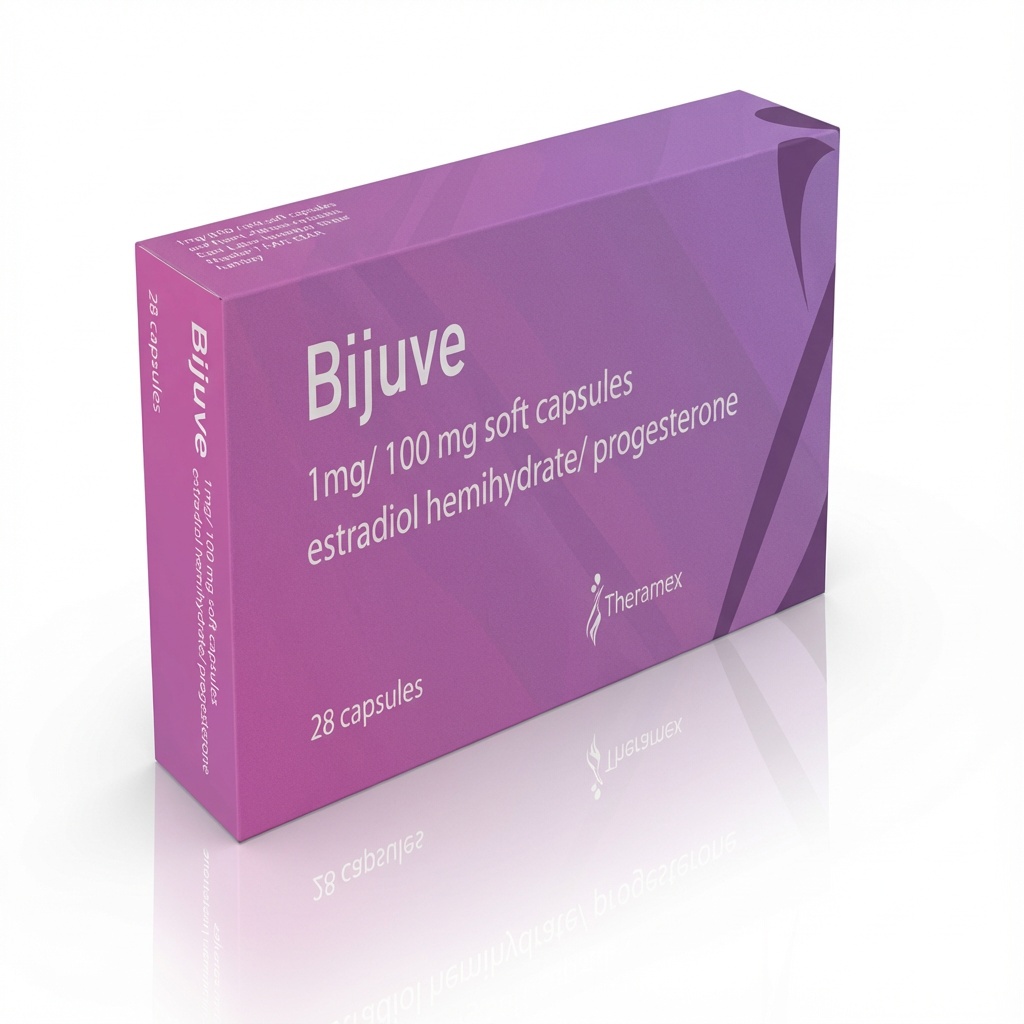
Bijuve
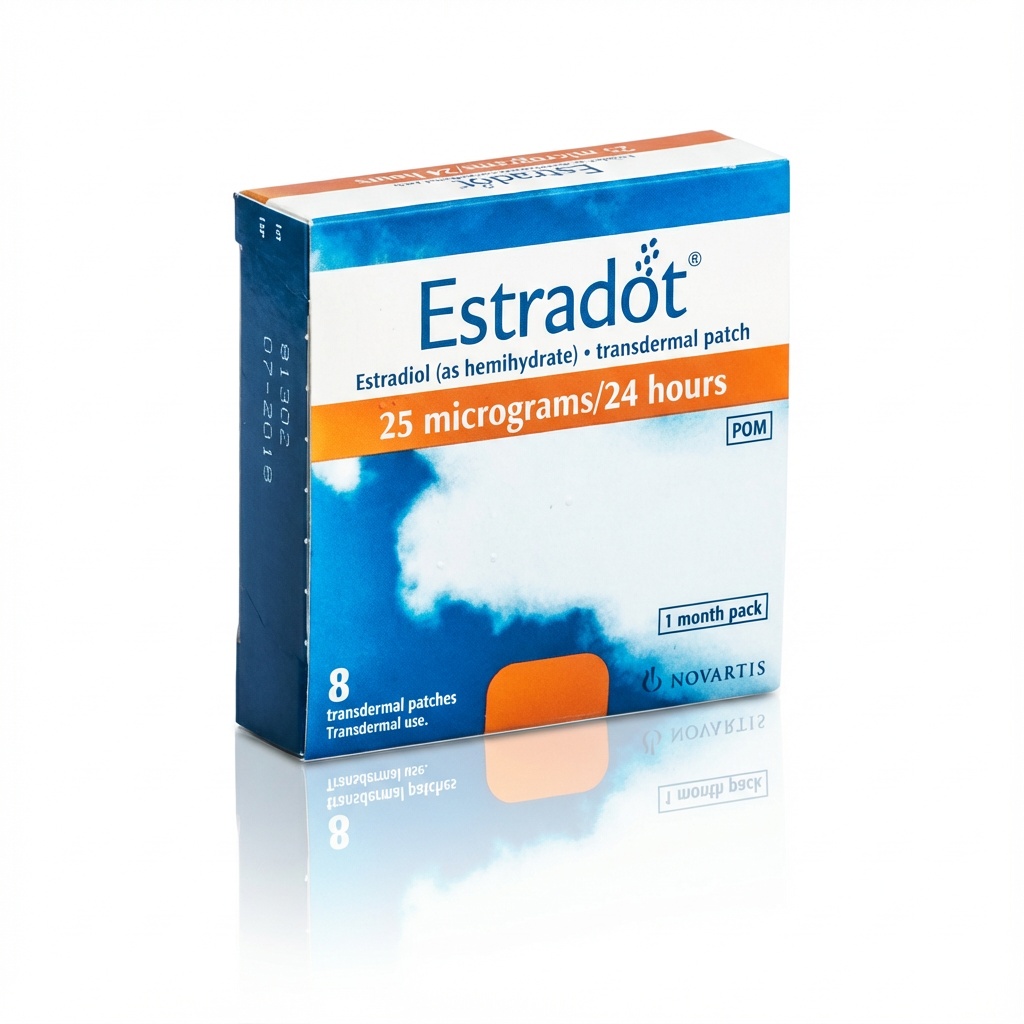
Estradot
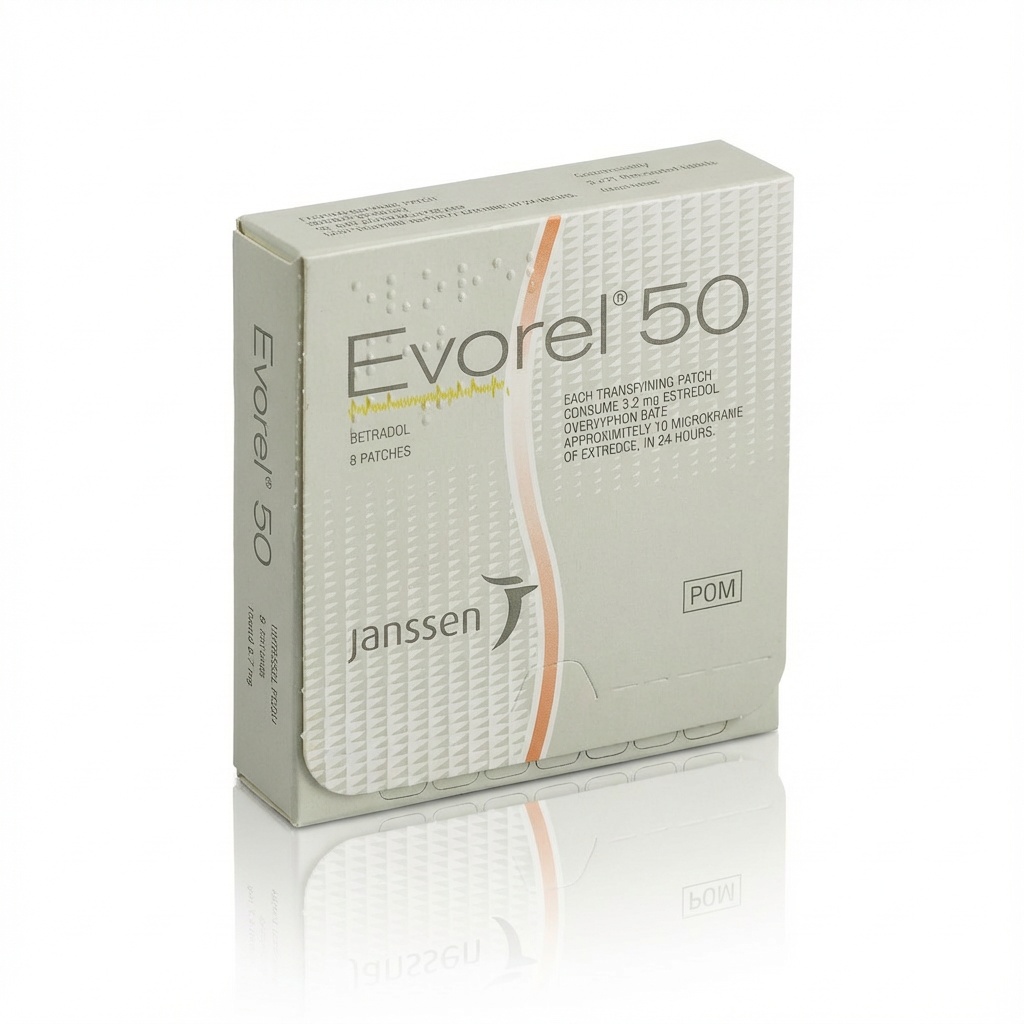
Evorel Conti
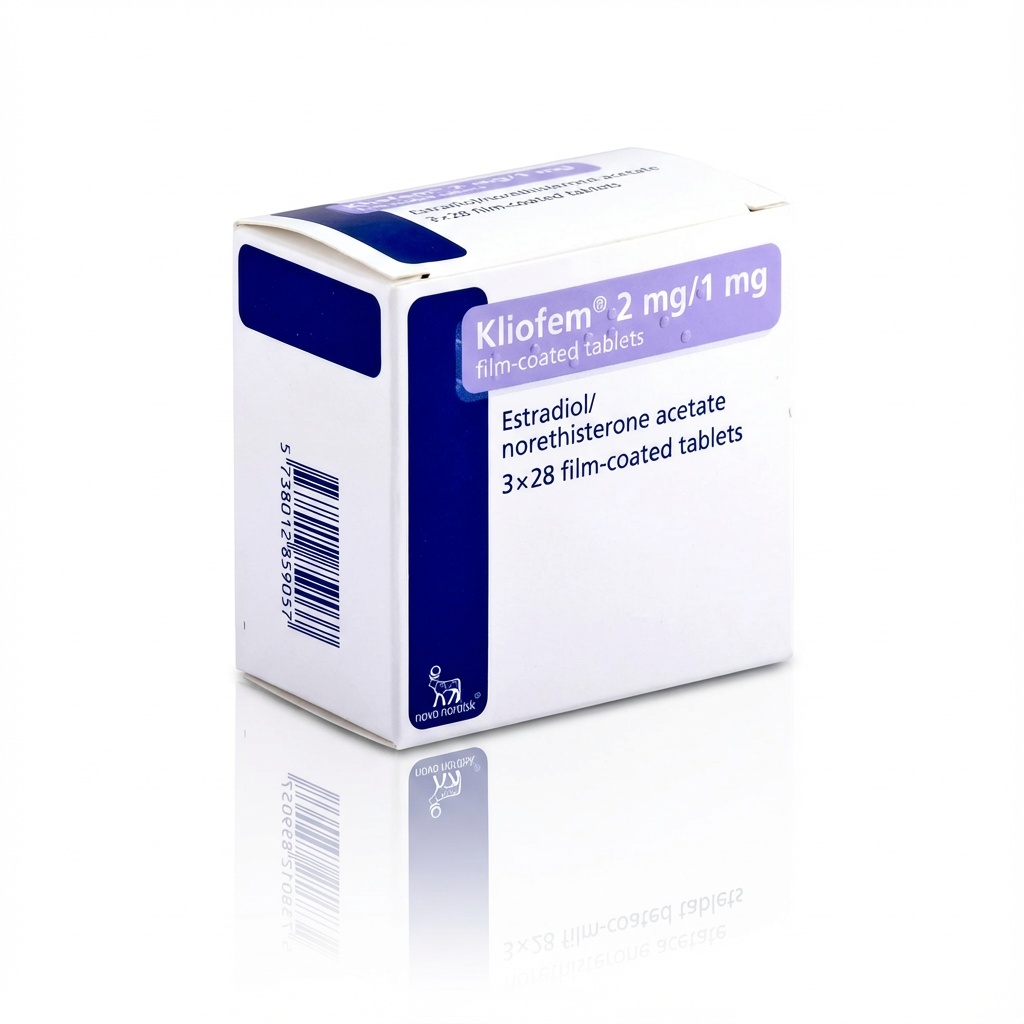
Kliofem
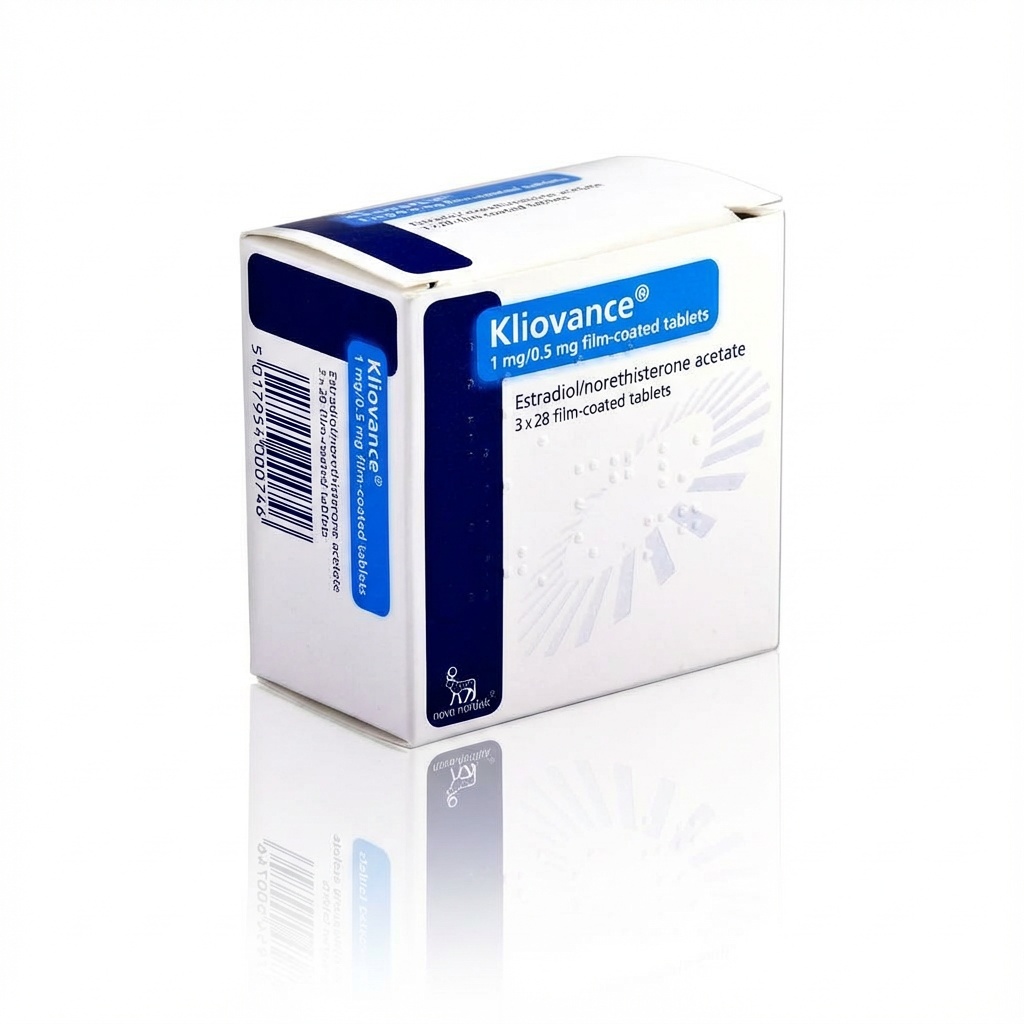
Kliovance
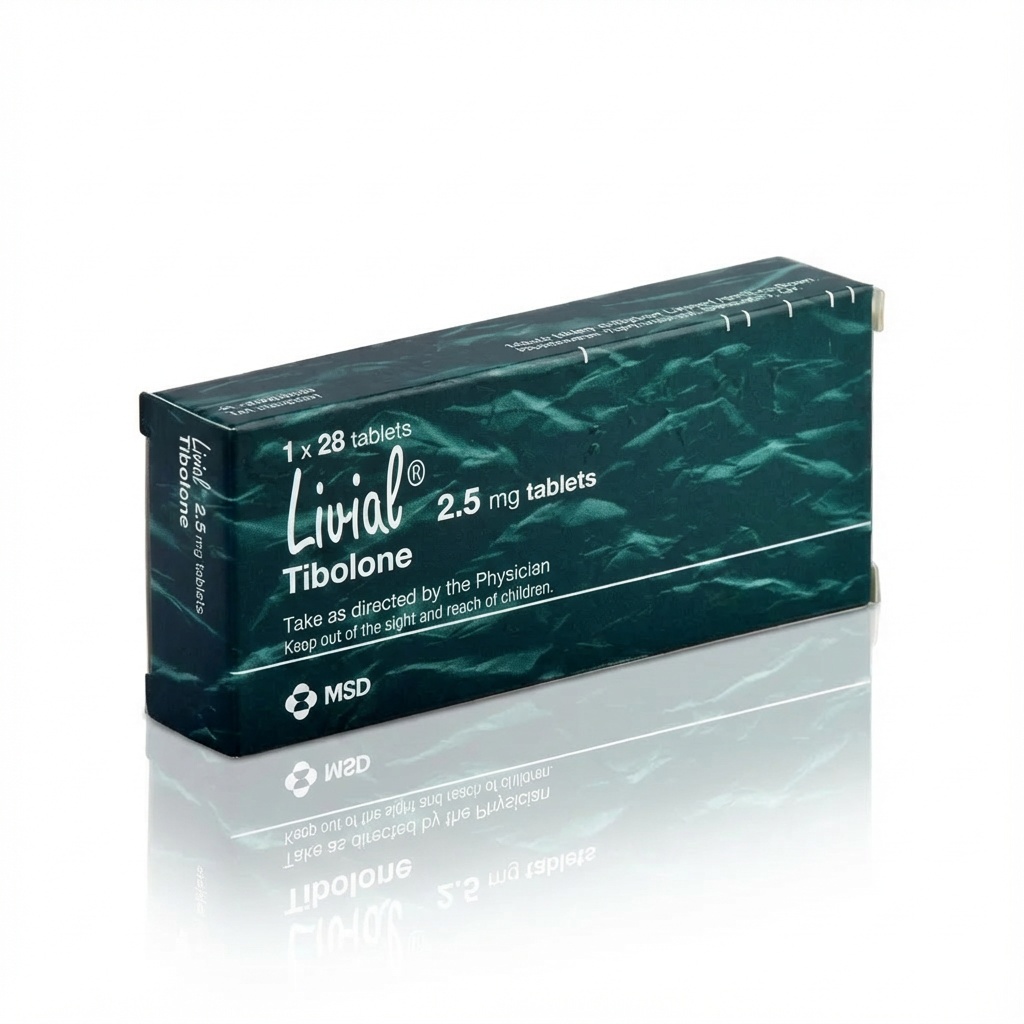
Livial
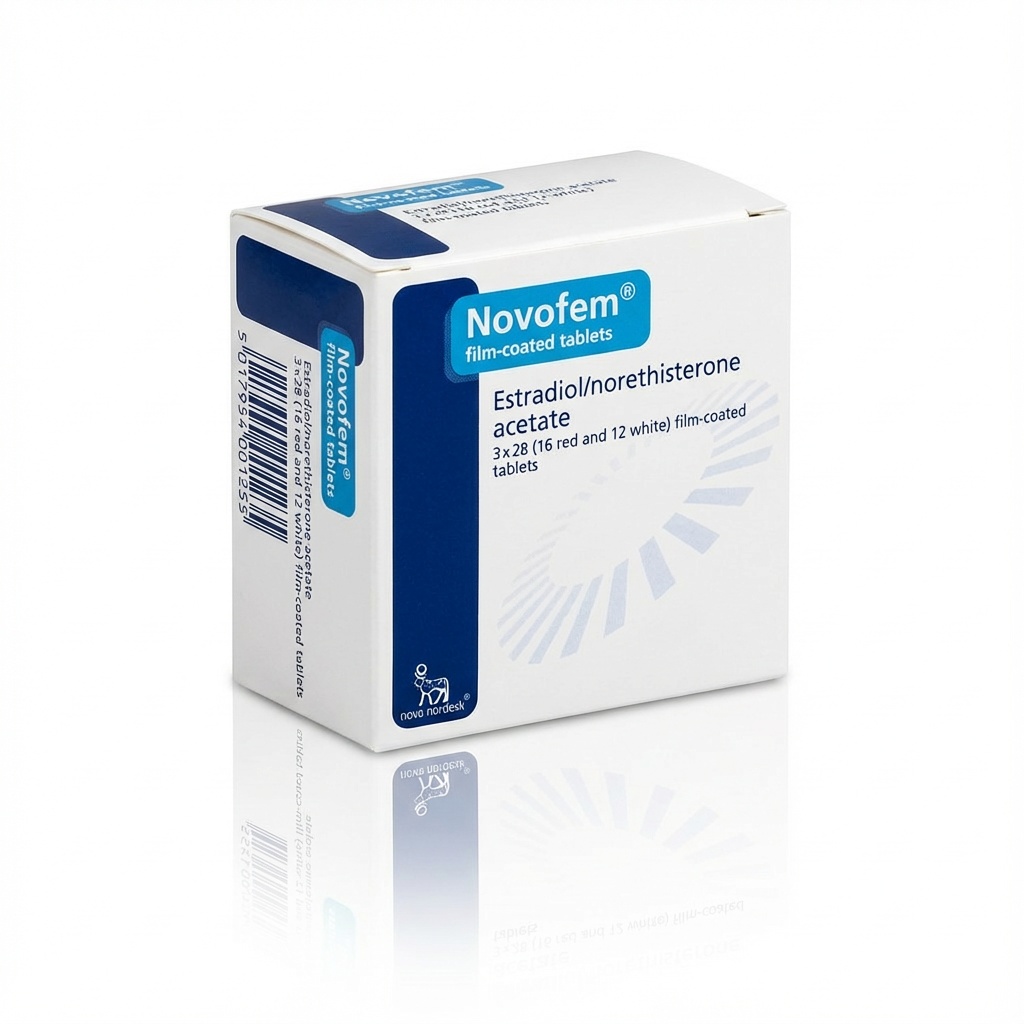
Novofem
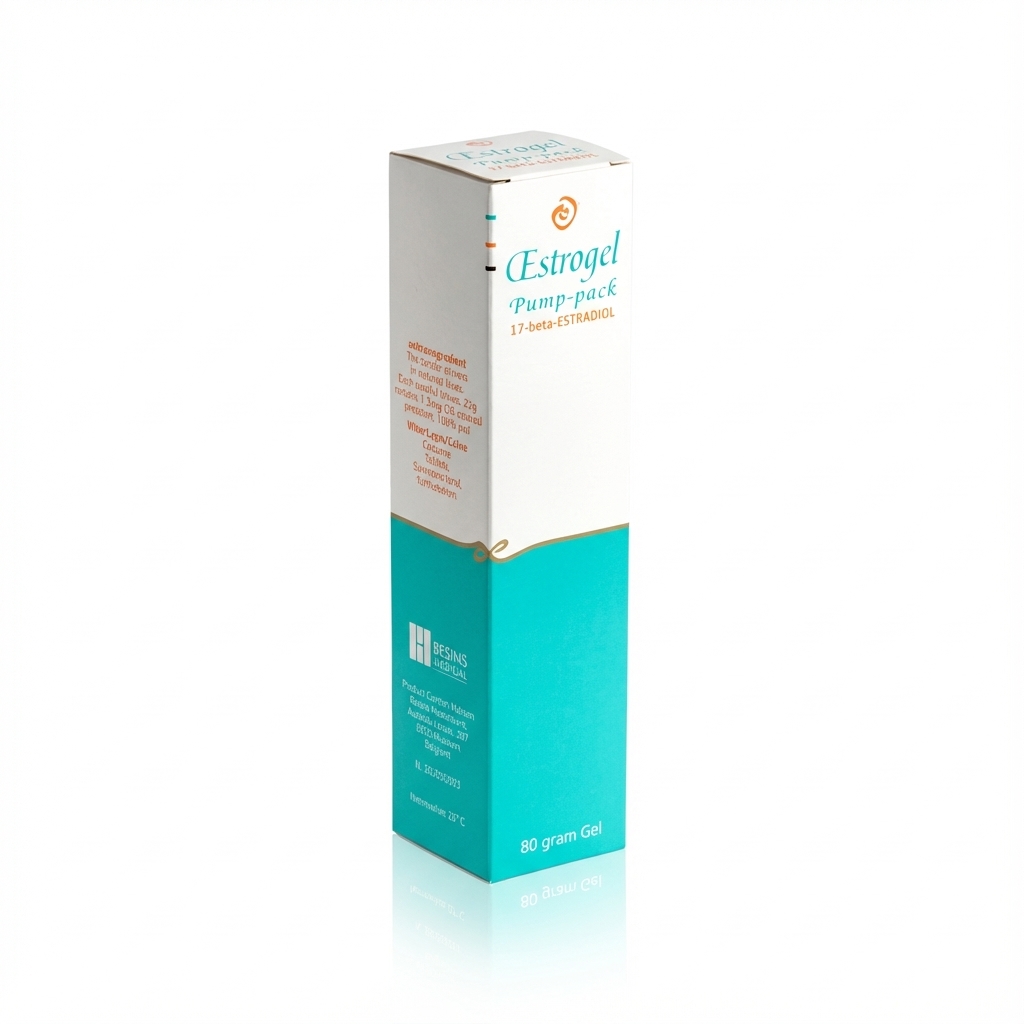
Oestrogel
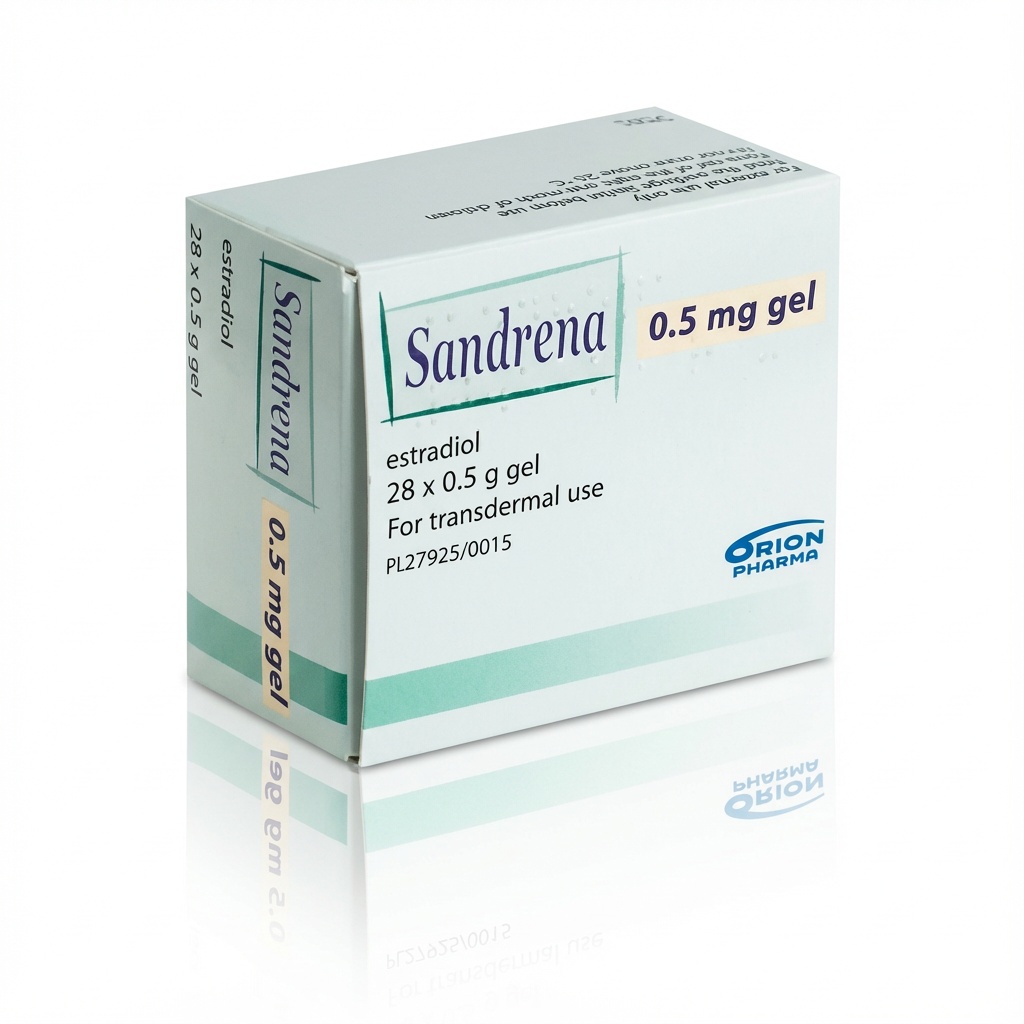
Sandrena Gel
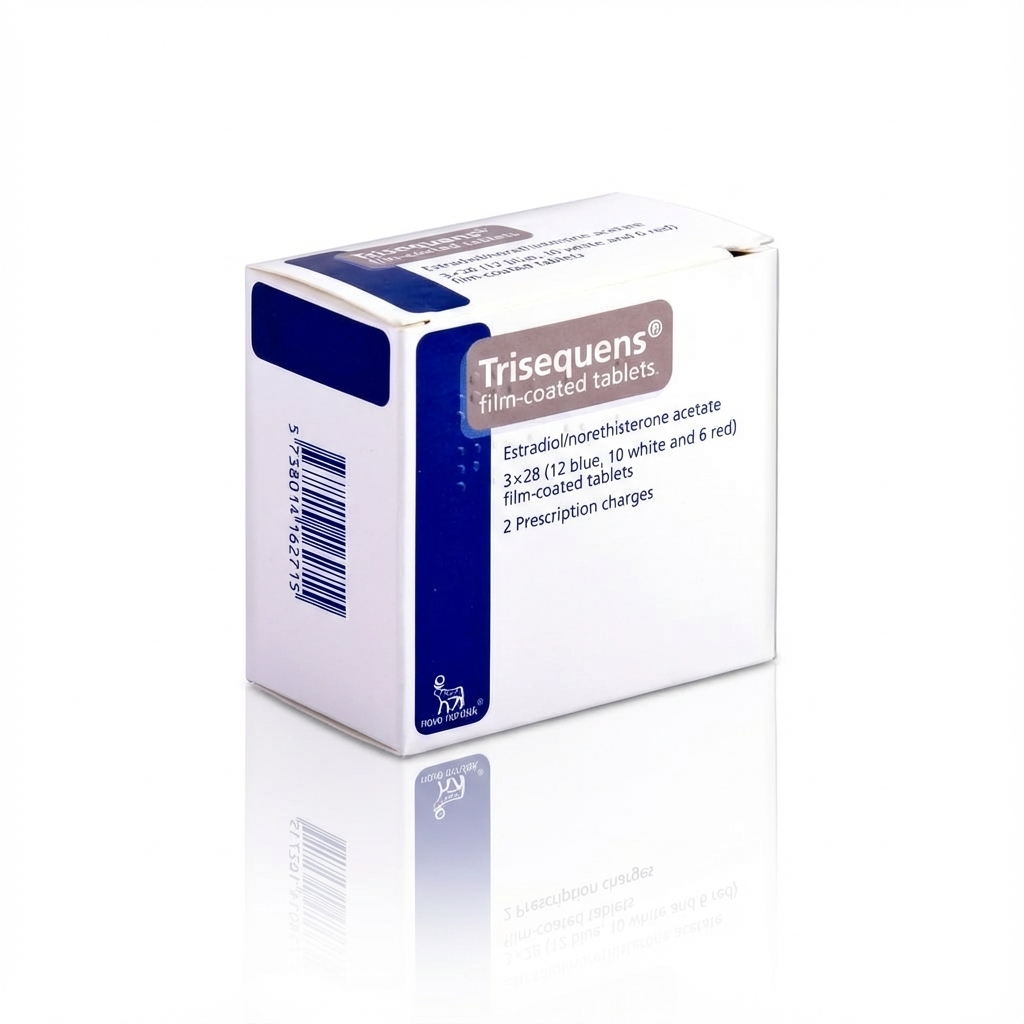
Trisequens
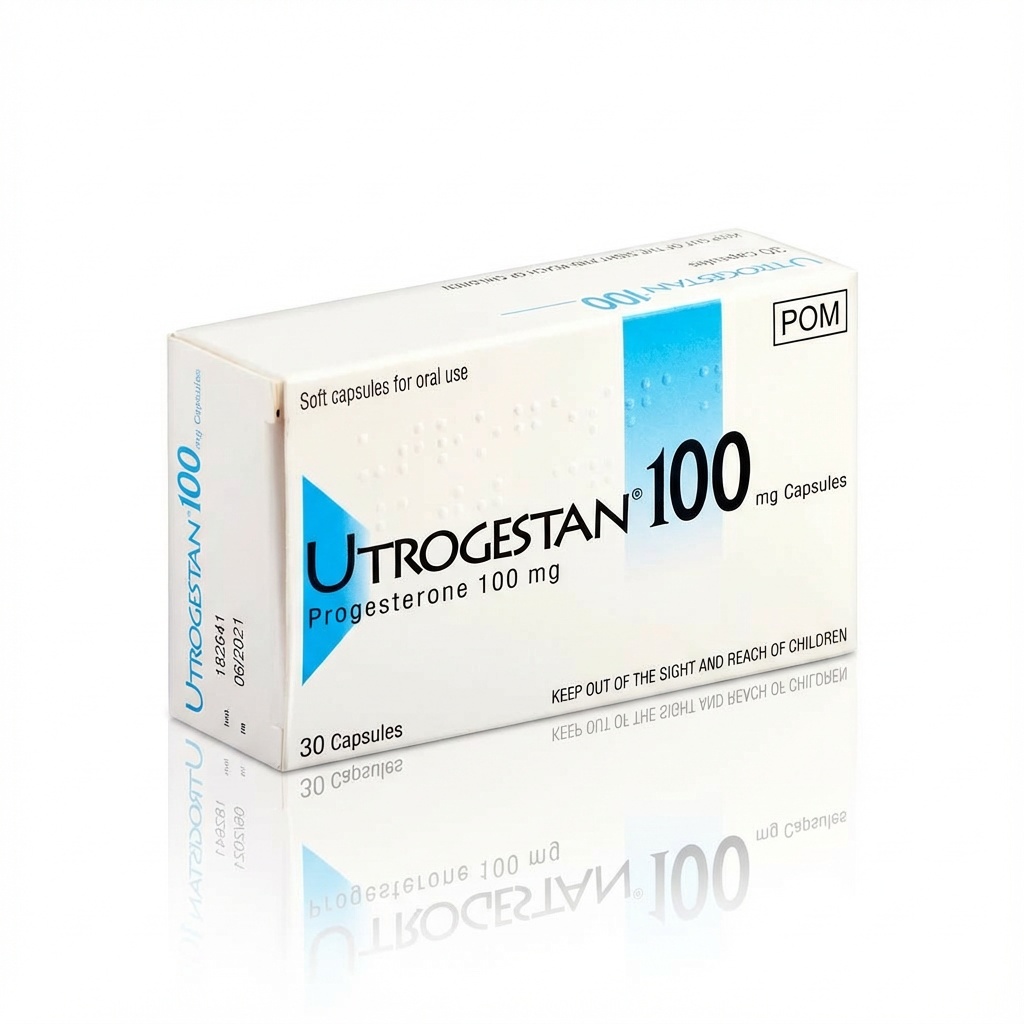
Utrogestan
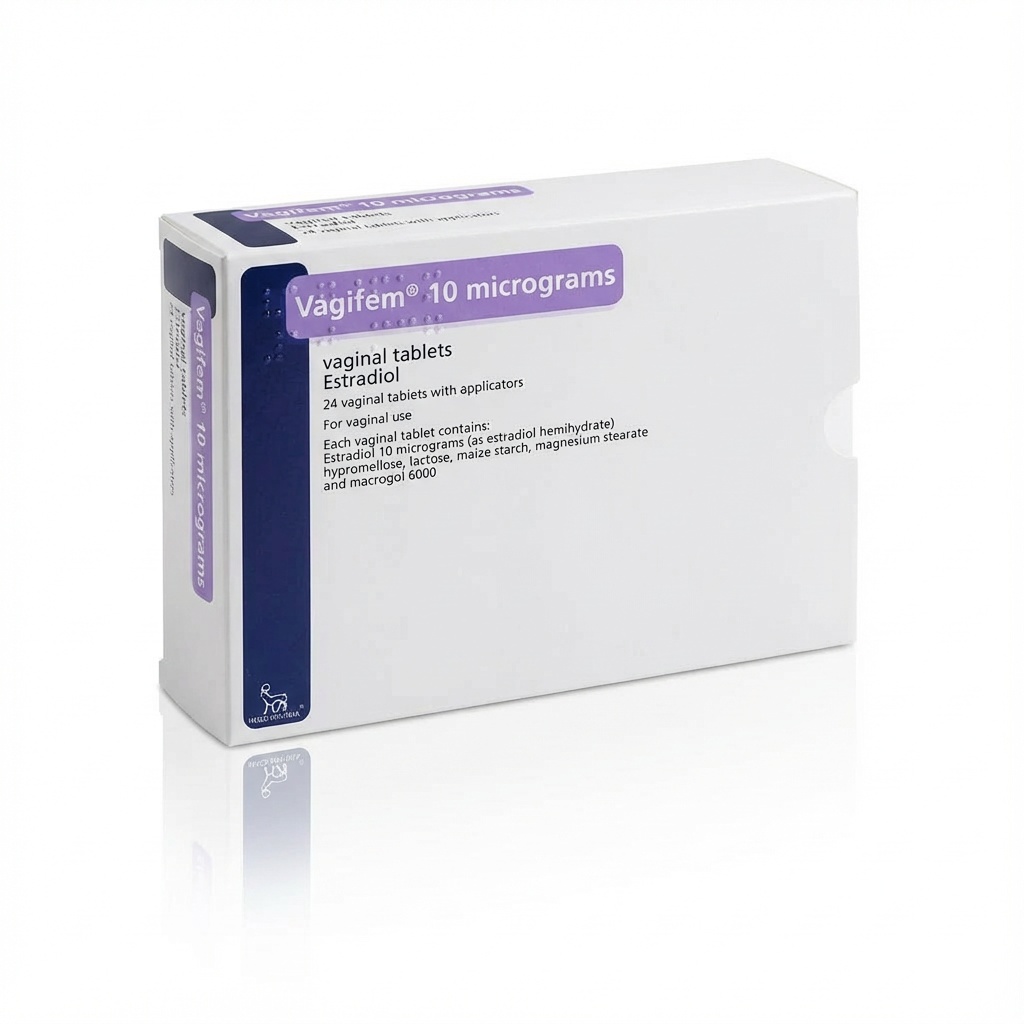
Vagifem
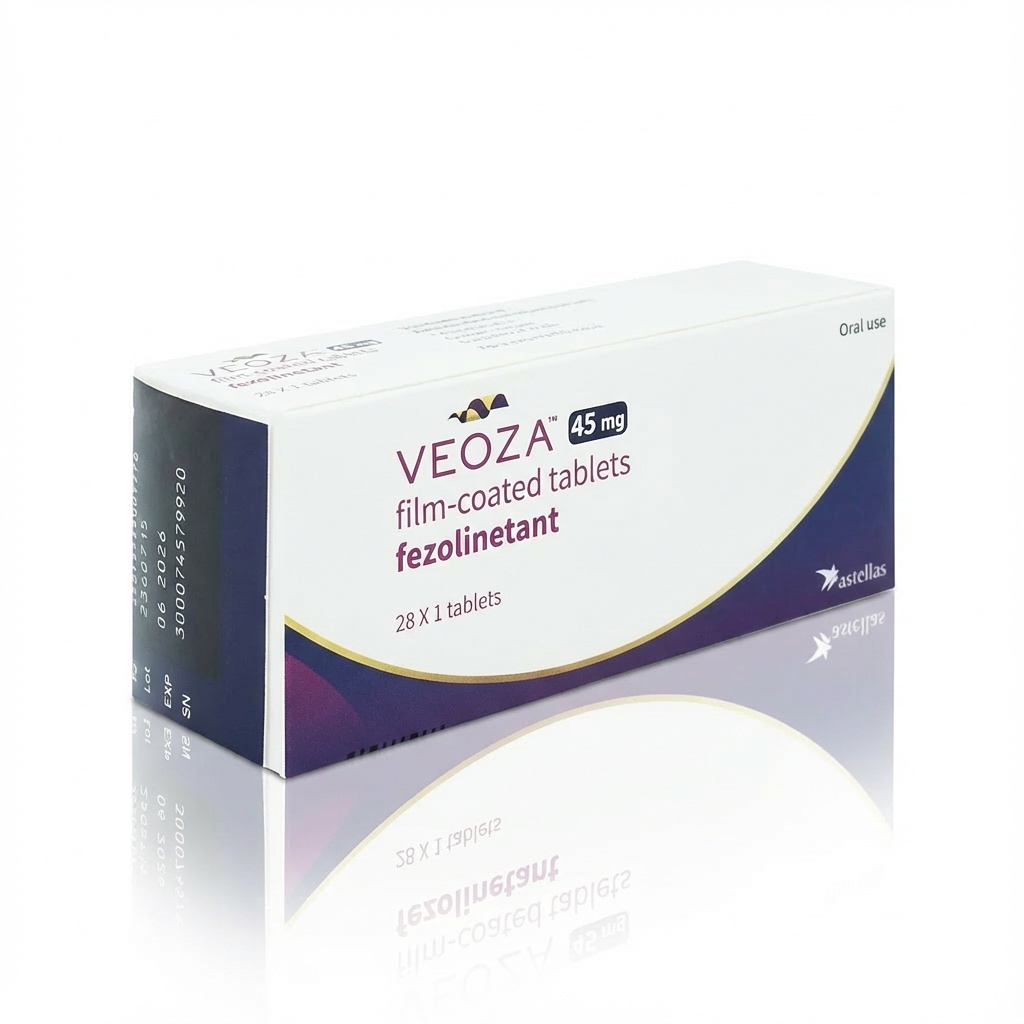
Veoza
On This Page
Menopause Overview
Symptoms & Diagnosis
Treatment Options
Management & Prevention
Quick Navigation: Use the links above to jump directly to specific sections, or scroll down to read the complete guide.
Menopause Treatments We Provide
We provide safe, effective prescription HRT and menopause treatments. All medications are prescribed following a confidential online consultation with our UK-registered doctors.
Bijuve
Combined continuous HRT for effective relief of menopausal symptoms including hot flushes and night sweats.
- Type Combined HRT
- Form Oral Tablet
- Price From £23.99
Estradot
Oestrogen-only transdermal patches for menopausal symptom relief, suitable for women without a uterus.
- Type Oestrogen-Only HRT
- Form Transdermal Patch
- Price From £29.99
Evorel Conti
Combined continuous HRT patches containing both oestrogen and progesterone for continuous symptom relief.
- Type Combined HRT
- Form Transdermal Patch
- Price From £29.99
Oestrogel
Alcohol-based oestrogen gel for transdermal absorption, providing flexible dosing for menopausal symptoms.
- Type Oestrogen-Only HRT
- Form Topical Gel
- Price From £24.99
Livial
Tibolone-based treatment with oestrogenic, progestogenic and androgenic effects for postmenopausal women.
- Type Tibolone HRT
- Form Oral Tablet
- Price From £54.99
Veoza
Non-hormonal neurokinin receptor antagonist specifically for treating moderate to severe hot flushes.
- Type Non-Hormonal
- Form Oral Tablet
- Price From £84.99
Understanding Menopause
Menopause is defined as the permanent cessation of menstrual periods, confirmed after 12 consecutive months without menstruation. This natural transition results from the gradual decline in ovarian function and subsequent reduction in oestrogen and progesterone production.
Menopause Prevalence in the UK
Menopause affects approximately half the population at some point in their lives, with significant variations in symptom experience and timing:
| Population Group | Prevalence | Key Statistics |
|---|---|---|
| Women 45-55 | 100% affected | Average age of menopause is 51 |
| Early Menopause | 5% of women | Occurs before age 45 |
| Premature Menopause | 1% of women | Occurs before age 40 |
What Causes Menopause?
Menopause is caused by the natural decline in reproductive hormones as women age. The ovaries gradually produce less oestrogen and progesterone, leading to the end of menstrual cycles and fertility.
Risk Factors for Early Menopause
- Genetics: Family history of early menopause
- Medical treatments: Chemotherapy, radiation therapy, or ovarian surgery
- Autoimmune diseases: Thyroid disease, rheumatoid arthritis
- Lifestyle factors: Smoking, low body weight
- Chromosomal abnormalities: Turner's syndrome, Fragile X
Types of Menopause
There are several different types of menopause, each with specific characteristics:
| Type of Menopause | Characteristics | Typical Age Range |
|---|---|---|
| Natural Menopause | Gradual decline in ovarian function | 45-55 years |
| Premature Menopause | Menopause before age 40 | Before 40 years |
| Early Menopause | Menopause between 40-45 years | 40-45 years |
| Surgical Menopause | Resulting from ovary removal | Any age after surgery |
| Chemotherapy-induced | Caused by cancer treatments | Any age during treatment |
Symptoms & Diagnosis
Recognising menopause symptoms early is crucial for effective management and prevention of long-term health issues.
Common Menopause Symptoms
The main symptoms of menopause include:
- Hot flushes: Sudden feelings of heat spreading through the body
- Night sweats: Severe hot flushes at night disrupting sleep
- Vaginal dryness: Discomfort during intercourse
- Mood changes: Irritability, anxiety, or depression
- Sleep disturbances: Difficulty falling or staying asleep
- Reduced libido: Decreased interest in sex
- Memory problems: Difficulty concentrating or remembering
- Joint stiffness: Aches and pains in joints
These symptoms can vary from person to person and may:
- Last for several years
- Be worse at night or in hot environments
- Be triggered by stress, caffeine, or alcohol
- Range from mild to severe
Diagnosing Menopause
Menopause diagnosis typically involves several steps to confirm the condition:
| Diagnostic Method | Purpose | What It Involves |
|---|---|---|
| Medical History | Understand symptoms and patterns | Questions about menstrual cycles, symptoms, family history |
| Symptom Assessment | Evaluate symptom severity | Using validated questionnaires like Greene Climacteric Scale |
| Hormone Tests | Measure hormone levels | FSH, oestradiol, sometimes AMH testing |
| Rule Out Other Conditions | Exclude other causes | Thyroid function tests, other investigations as needed |
Menopause Stages
Understanding the different stages of menopause helps in managing expectations and symptoms:
| Stage | Timeline | Characteristics |
|---|---|---|
| Perimenopause | Several years before menopause | Irregular periods, early symptoms begin |
| Menopause | 12 months after last period | Official diagnosis, peak symptoms often occur |
| Postmenopause | Years after menopause | Symptoms may continue but often improve |
When to Seek Medical Help
When to Seek Medical Attention
Seek immediate medical attention if you experience:
- Heavy or irregular bleeding after menopause
- Severe depression or suicidal thoughts
- Sudden severe symptoms beginning before age 40
- Chest pain or severe shortness of breath
- Severe headaches or vision changes
Always consult with a healthcare professional if you have concerns about your symptoms or treatment.
Menopause Treatment Options
Effective menopause treatment involves a combination of medications and lifestyle management. The goal is to achieve good control of symptoms and prevent long-term health issues.
Hormone Replacement Therapy (HRT)
HRT is the most effective treatment for menopausal symptoms. It replaces the hormones that decline during menopause.
| Treatment Type | Best For | How It Works | Examples |
|---|---|---|---|
| Oestrogen-Only HRT | Women without a uterus | Replaces oestrogen only | Estradot, Oestrogel |
| Combined HRT | Women with a uterus | Oestrogen + progesterone | Bijuve, Evorel Conti |
| Sequential HRT | Perimenopausal women | Mimics natural cycle | Kliofem, Trisequens |
| Continuous HRT | Postmenopausal women | Steady hormone levels | Kliovance, Livial |
Non-Hormonal Treatments
For women who cannot or prefer not to use HRT, several non-hormonal options are available:
| Medication | Active Ingredient | How It Works | Best For |
|---|---|---|---|
| Veoza | Fezolinetant | Neurokinin receptor antagonist | Moderate to severe hot flushes |
| SSRIs/SNRIs | Various antidepressants | Affects brain chemicals | Hot flushes and mood symptoms |
| Gabapentin | Gabapentin | Affects nerve signals | Night sweats and sleep issues |
| Clonidine | Clonidine | Blood pressure medication | Hot flushes |
Vaginal Treatments
For local symptoms like vaginal dryness and discomfort:
| Treatment | Type | How It Works | When to Use |
|---|---|---|---|
| Vagifem | Local oestrogen | Replenishes vaginal oestrogen | Vaginal dryness, painful intercourse |
| Vaginal Moisturisers | Non-hormonal | Provides moisture and lubrication | Regular maintenance |
| Lubricants | Non-hormonal | Reduces friction during sex | During intercourse |
Treatment Duration and Monitoring
Treatment for menopause symptoms should be:
- Individualised: Based on your specific symptoms and health profile
- Regularly reviewed: At least annually with your healthcare provider
- Re-evaluated: As symptoms change or new health issues arise
- Gradually tapered: When stopping treatment to avoid rebound symptoms
Menopause Management & Prevention
Effective menopause management involves more than just medication. A comprehensive approach can significantly improve quality of life and reduce the risk of long-term health issues.
Symptom Management Strategies
Managing specific symptoms can make the menopausal transition easier:
| Symptom | Management Strategies | Lifestyle Tips |
|---|---|---|
| Hot Flushes | HRT, Veoza, layered clothing | Avoid triggers like spicy food, caffeine, alcohol |
| Sleep Problems | Cool bedroom, relaxation techniques | Regular sleep schedule, limit screens before bed |
| Mood Changes | Exercise, mindfulness, HRT if appropriate | Social support, stress management techniques |
| Vaginal Dryness | Local oestrogen, moisturisers, lubricants | Regular sexual activity, pelvic floor exercises |
Bone Health
Menopause significantly increases the risk of osteoporosis. Protecting bone health is crucial:
- Calcium-rich diet: Dairy, leafy greens, fortified foods
- Vitamin D: Sun exposure, supplements, fatty fish
- Weight-bearing exercise: Walking, dancing, strength training
- Avoid smoking and excessive alcohol
- Bone density screening: As recommended by your doctor
Heart Health
Cardiovascular risk increases after menopause. Protect your heart with:
Dietary Changes
- Heart-healthy Mediterranean diet
- Reduce saturated and trans fats
- Increase omega-3 fatty acids
- Limit salt and processed foods
Lifestyle Changes
- Regular aerobic exercise
- Maintain healthy weight
- Manage stress effectively
- Regular blood pressure checks
Long-term Health Monitoring
Regular health checks are important during and after menopause:
- Annual review: With GP or menopause specialist
- Breast screening: Mammograms as recommended
- Cervical screening: Smear tests as scheduled
- Bowel screening: As per national guidelines
- Cardiovascular assessment: Blood pressure, cholesterol checks
How Our Menopause Treatment Service Works
Getting your menopause medication through Chemist Doctor is simple, discreet, and convenient. Our process is designed to respect your privacy while ensuring you receive safe, appropriate care.
Step 1: Complete Online Consultation
Answer questions about your menopause symptoms, medical history, current medications, and treatment preferences. Our secure platform ensures your information remains confidential.
Step 2: Medical Review by UK Doctor
A UK-registered doctor reviews your consultation to determine if treatment is appropriate and safe for you. We may contact you for additional information if needed.
Step 3: Prescription Issued
If approved, our doctor issues a prescription which is sent to our partner pharmacy for dispensing.
Step 4: Discreet Delivery
Your medication is packaged discreetly and delivered to your chosen address via tracked delivery.
What to Expect During Consultation
Our menopause consultation typically includes questions about:
- Your specific menopause symptoms and their impact
- Current medications and any previous HRT experience
- Medical history including any contraindications to HRT
- Family history of relevant conditions
- Lifestyle factors and treatment preferences
- Blood pressure and other relevant health metrics
Honest, complete answers ensure our doctors can make the safest recommendations for your situation.
Menopause Treatment FAQs
Is HRT safe to use?
For most women under 60 or within 10 years of menopause onset, HRT is safe and effective when prescribed appropriately. Modern HRT has a favourable risk-benefit profile. All medications available through Chemist Doctor are approved by the UK Medicines and Healthcare products Regulatory Agency (MHRA) and are prescribed only when our doctors determine they are safe for you based on your medical history and current health status.
How long should I take HRT for?
Treatment duration is individualised. Current guidelines recommend using the lowest effective dose for the shortest time needed to control symptoms. Many women use HRT for 2-5 years, but some continue longer for ongoing symptom control or osteoporosis prevention. The decision should be based on your symptoms, risk factors, and preferences, with regular annual reviews with a healthcare professional.
What's the difference between different types of HRT?
HRT comes in different forms: oestrogen-only (for women without a uterus), combined HRT (oestrogen + progesterone for women with a uterus), sequential (mimics natural cycle for perimenopause), and continuous (steady hormones for postmenopause). Delivery methods include tablets, patches, gels, and vaginal treatments. Our doctors will recommend the most appropriate type based on your individual needs.
How quickly will I receive my menopause medication?
For orders approved before 3pm on weekdays, we aim to dispatch the same day for next-day delivery. Standard delivery takes 2-3 business days. We understand that menopause symptoms can significantly impact quality of life, so we prioritise these orders.
Are there non-hormonal treatments for menopause symptoms?
Yes, we offer non-hormonal options including Veoza (fezolinetant) for hot flushes. Other options include certain antidepressants that can help with hot flushes and mood symptoms, gabapentin for night sweats, and various lifestyle interventions. However, HRT remains the most effective treatment for overall symptom relief.
What are the side effects of HRT?
Common side effects when starting HRT may include breast tenderness, bloating, nausea, headaches, and breakthrough bleeding. These often improve within 3 months as your body adjusts. Serious side effects are rare but include blood clots, stroke, and increased breast cancer risk with long-term use of certain types. Our clinicians will discuss all potential risks with you and monitor for any concerning symptoms.

Medical Content Manager
Nabeel is a co-founder, and medical content manager of Chemist Doctor. He works closely with our medical team to ensure the information is accurate and up-to-date.

Medical Doctor
Dr. Talal is a GMC registered doctor and medical reviewer at Chemist Doctor. He ensures clinical accuracy and reliability across health content.

Medical Director
Usman is a co-founder, and medical director of Chemist Doctor. He leads the organisation's strategic vision, bridging clinical and operational priorities.
Review Date: 29 November 2025
Next Review: 15 May 2026
Published on: 28 November 2025
Last Updated: 29 November 2025