
Stop Smoking (Smoking Cessation)
- Smoking Cessation is the process of quitting tobacco smoking, which significantly improves health and reduces the risk of smoking-related diseases.
- Nicotine addiction involves both physical dependence and psychological habits, making Smoking Cessation treatment most effective when it addresses both aspects.
- Effective preparation through quit dates, trigger identification, and support systems dramatically increases success rates.
- Multiple No Smoking Treatment options are available, including prescription medications like Zyban (Bupropion), Cytisine, and Varenicline (Champix).
- Combining medication with behavioural support through the NHS Stop Smoking Services provides the highest success rates for long-term Smoking Cessation.
- With the right support and treatment plan, millions of smokers have successfully quit, and you can too.
Find Smoking Cessation Treatments
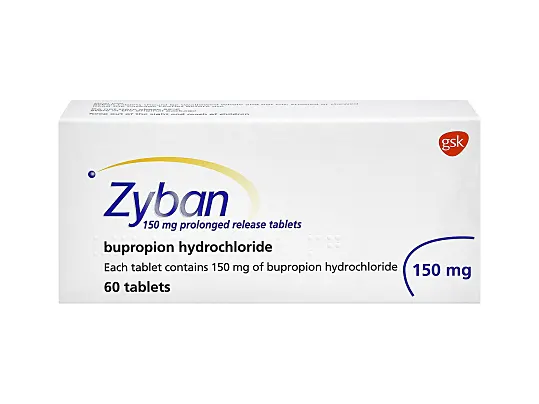
Zyban Tablets
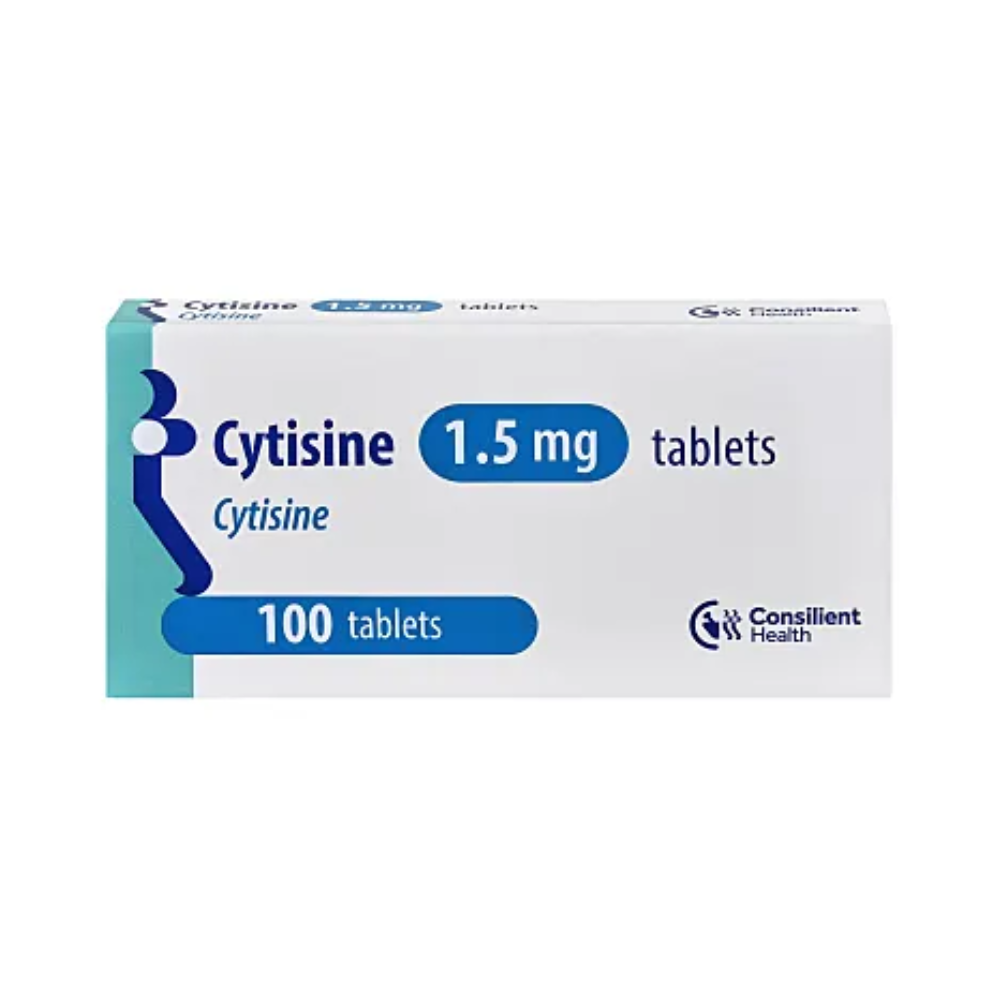
Cytisine Tablets
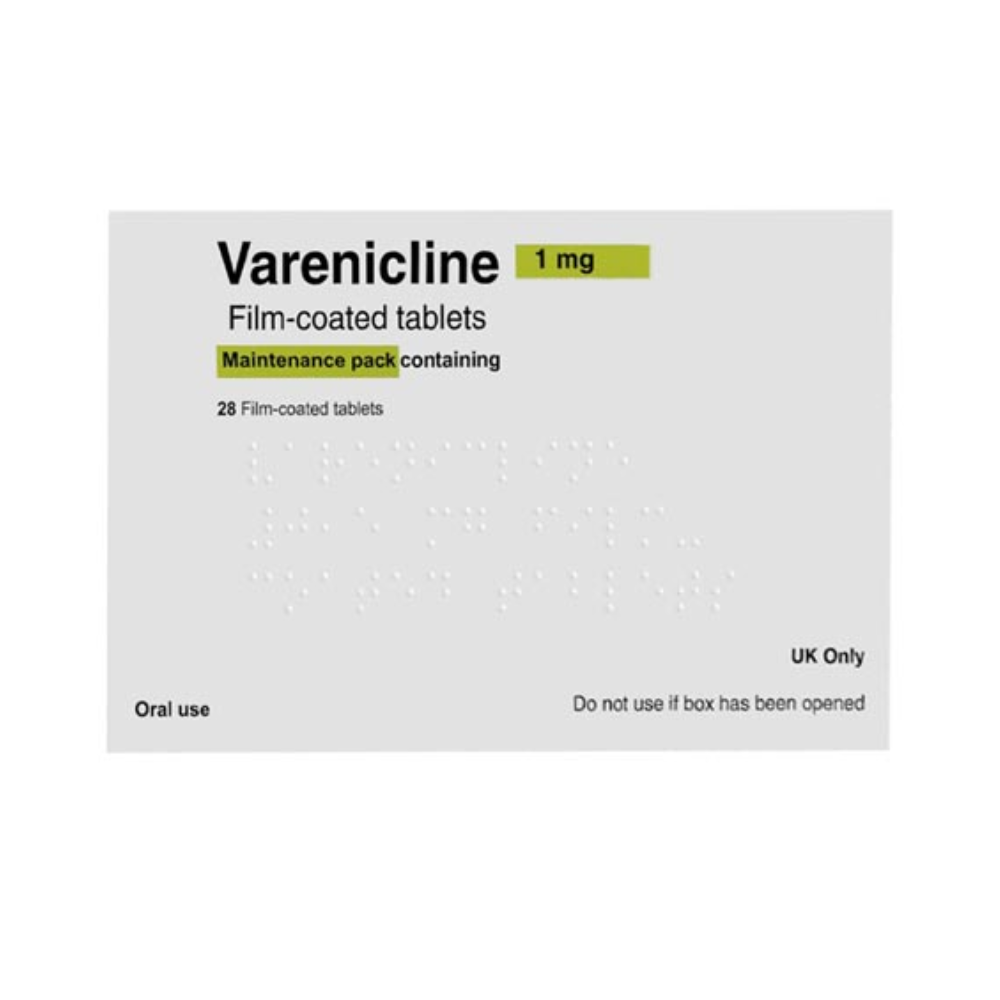
Varenicline Tablets
What Is Smoking Cessation?
Smoking Cessation refers to the process of discontinuing tobacco smoking, a practice that remains one of the leading preventable causes of death and disease in the United Kingdom. Tobacco smoke contains over 7,000 chemicals, with at least 70 known to cause cancer. The journey to quit smoking is not merely about breaking a habit; it's about overcoming a powerful addiction to nicotine while addressing the complex psychological and behavioural patterns associated with smoking.
Understanding Smoking Cessation as a medical process is crucial because nicotine addiction creates profound changes in brain chemistry. When you smoke, nicotine reaches your brain within seconds, triggering the release of dopamine and other neurotransmitters that create feelings of pleasure and reward. Over time, your brain adapts to this artificial stimulation and becomes dependent on nicotine to function normally. This is why Smoking Cessation treatment often requires a multifaceted approach that addresses both the physical dependence and the psychological habits.
In the UK, smoking remains a significant public health challenge, with approximately 6.4 million adults (13.3% of the population) currently smoking. The benefits of Smoking Cessation begin almost immediately and continue to accumulate over time:
- Within 20 minutes: Your heart rate and blood pressure begin to drop to normal levels.
- Within 12 hours: Carbon monoxide levels in your blood return to normal.
- Within 2 weeks to 3 months: Your circulation improves and lung function increases.
- Within 1 year: Your risk of coronary heart disease is about half that of a smoker's.
- Within 5 years: Your risk of mouth, throat, oesophagus, and bladder cancer is halved.
- Within 10 years: Your risk of dying from lung cancer is about half that of a continuing smoker.
Proper Smoking Cessation treatment and support can dramatically increase your chances of success. While willpower alone works for some, most smokers benefit significantly from evidence-based treatments and support systems. The journey may involve setbacks, but with the right approach and persistence, successful Smoking Cessation is achievable for virtually every smoker.
What Causes Nicotine Addiction?
Nicotine addiction is a complex phenomenon involving multiple biological, psychological, and social factors. Understanding these mechanisms is essential for developing an effective Smoking Cessation treatment plan. The addiction operates on several levels simultaneously, which explains why quitting can be so challenging.
Biological and Neurological Factors
These factors form the physical foundation of nicotine addiction and are primary targets for many No Smoking Treatment approaches.
- Nicotine and Brain Chemistry: Nicotine mimics the neurotransmitter acetylcholine and binds to nicotinic cholinergic receptors in the brain. This binding triggers the release of various neurotransmitters including dopamine, noradrenaline, serotonin, and endorphins. Dopamine release in the brain's reward centres is particularly important, as it creates feelings of pleasure and reinforces the smoking behaviour.
- Neuroadaptation: With repeated nicotine exposure, the brain adapts by increasing the number of nicotine receptors and altering their sensitivity. This neuroadaptation means that smokers need nicotine just to feel normal, and experience withdrawal symptoms when nicotine levels drop.
- Genetic Predisposition: Research suggests that genetic factors account for approximately 50-75% of the vulnerability to nicotine addiction. Variations in genes affecting nicotine metabolism, dopamine pathways, and other neurotransmitter systems can influence how easily someone becomes addicted and how difficult they find Smoking Cessation.
- Metabolic Factors: Nicotine is metabolised primarily by the liver enzyme CYP2A6. People with genetic variations that result in faster nicotine metabolism tend to smoke more heavily and find quitting more difficult, as nicotine leaves their system more quickly, leading to more frequent withdrawal symptoms.
Psychological and Behavioural Factors
These factors create the habits and mental associations that maintain smoking behaviour alongside the physical addiction.
- Conditioned Cues and Triggers: Through repeated pairing, smoking becomes associated with specific activities, emotions, environments, and social situations. Common triggers include drinking coffee or alcohol, feeling stressed, talking on the phone, finishing a meal, or socialising with other smokers.
- Coping Mechanism: Many smokers use cigarettes to manage emotions, relieve stress, combat boredom, or improve concentration. This emotional reliance makes Smoking Cessation challenging, as smokers must develop alternative coping strategies.
- Automatic Behaviour: For long-term smokers, lighting a cigarette can become an automatic behaviour performed with little conscious thought, similar to other habitual actions like brushing teeth.
- Psychological Dependence: Beyond the physical addiction, many smokers develop a strong psychological belief that they need cigarettes to function normally or handle certain situations.
Social and Environmental Factors
- Social Normalisation: Despite declining smoking rates, tobacco use remains normalised in certain social circles, occupations, and communities.
- Peer Influence: Having smoking partners, friends, or family members can significantly influence smoking behaviour and present challenges during Smoking Cessation attempts.
- Marketing and Environmental Cues: Although tobacco advertising is heavily restricted in the UK, environmental cues like seeing people smoke or passing tobacco retailers can trigger cravings.
What Are The Types of Smoking Cessation Methods?
Successful Smoking Cessation typically involves choosing from various evidence-based approaches, often used in combination. Understanding the different types of Smoking Cessation treatment available can help you and your healthcare provider develop the most effective strategy for your situation.
| Method Type | Examples | Key Characteristics | Best For |
|---|---|---|---|
| Behavioural Therapies | Cognitive Behavioural Therapy (CBT), Motivational Interviewing, Self-help materials | Focus on changing thought patterns and behaviours associated with smoking. Identify triggers and develop coping strategies without medication. | Light to moderate smokers, those concerned about medication side effects, as adjunct to medication |
| Nicotine Replacement Therapy (NRT) | Patches, gum, lozenges, inhalators, nasal spray, mouth spray | Provides controlled doses of nicotine without other harmful tobacco chemicals. Manages withdrawal symptoms while breaking smoking habits. | Most smokers, particularly those with strong physical dependence, can be combined with prescription medications |
| Prescription Medications | Varenicline (Champix), Bupropion (Zyban), Cytisine | Non-nicotine medications that work on brain receptors to reduce cravings and withdrawal symptoms. Some make smoking less rewarding. | Heavy smokers, those who have failed with NRT alone, smokers with high motivation to quit |
| Combination Approaches | NRT + behavioural support, Medication + NRT, Comprehensive programmes | Combines multiple methods to address both physical and psychological aspects of addiction. Typically produces highest success rates. | All smokers, particularly those with previous quit attempts, strong addiction, or complex triggers |
It's important to note that no single Smoking Cessation treatment works for everyone. The most effective approach often depends on your smoking patterns, level of addiction, personal preferences, and previous quit attempts. Many smokers try several methods before finding what works best for them, and combining approaches typically yields the highest success rates.
How Is Nicotine Addiction Diagnosed?
Diagnosing nicotine addiction is primarily based on clinical assessment rather than laboratory tests. Healthcare professionals use standardised criteria and questionnaires to evaluate the severity of dependence and tailor appropriate Smoking Cessation treatment. This assessment helps determine whether you might benefit from simple advice and NRT or require more intensive intervention with prescription medications.
The diagnosis of tobacco use disorder typically follows criteria outlined in classification systems like the DSM-5 (Diagnostic and Statistical Manual of Mental Disorders), which includes patterns of tobacco use leading to clinically significant impairment or distress, as manifested by specific criteria. For practical clinical purposes in Smoking Cessation practice, several assessment tools are commonly used:
Fagerström Test for Nicotine Dependence (FTND)
This is the most widely used instrument for assessing nicotine dependence intensity. It consists of six questions that evaluate cigarette consumption and compulsion to smoke:
- How soon after you wake up do you smoke your first cigarette? (Within 5 minutes = 3 points; 6-30 minutes = 2 points; 31-60 minutes = 1 point)
- Do you find it difficult to refrain from smoking in places where it is forbidden? (Yes = 1 point)
- Which cigarette would you hate most to give up? (The first one in the morning = 1 point)
- How many cigarettes per day do you smoke? (10 or less = 0 points; 11-20 = 1 point; 21-30 = 2 points; 31 or more = 3 points)
- Do you smoke more frequently during the first hours after waking than during the rest of the day? (Yes = 1 point)
- Do you smoke if you are so ill that you are in bed most of the day? (Yes = 1 point)
Scoring Interpretation:
- 0-2: Very low dependence
- 3-4: Low dependence
- 5: Medium dependence
- 6-7: High dependence
- 8-10: Very high dependence
Clinical Assessment Components
During a Smoking Cessation consultation, a healthcare professional will typically assess:
- Smoking History: Number of years smoking, current consumption, brand and nicotine content
- Previous Quit Attempts: Methods tried, duration of abstinence, reasons for relapse
- Readiness to Quit: Motivation level, confidence in ability to quit
- Smoking Patterns: Triggers, situations where smoking occurs, first cigarette of the day
- Medical and Psychiatric History: Conditions that may affect treatment choice or quitting success
- Social Context: Smoking status of household members, work environment, social support
This comprehensive assessment helps determine the most appropriate Smoking Cessation treatment approach. For instance, someone with high nicotine dependence (FTND score 6+) would likely benefit from prescription medications like varenicline or combination NRT, while behavioural interventions might be sufficient for those with lower dependence. The NHS Smoking Cessation Service provides structured support based on such assessments.
Important: Being honest about your smoking habits during assessment is crucial for receiving the most effective Smoking Cessation treatment. Healthcare professionals are not there to judge but to provide the best possible support for your quit attempt.
How To Prepare For Smoking Cessation?
Proper preparation significantly increases your chances of successful Smoking Cessation. While willpower is important, strategic preparation creates an environment and mindset conducive to quitting. Research shows that smokers who prepare thoroughly are up to three times more likely to succeed in their No Smoking Treatment journey.
Developing Your Quit Plan
A comprehensive quit plan addresses multiple aspects of your smoking habit and prepares you for the challenges ahead:
- Set a Quit Date: Choose a date within the next 1-2 weeks that is relatively stress-free and significant to you (e.g., birthday, anniversary, first day of the month). This creates psychological commitment to your Smoking Cessation goal.
- Inform Your Support System: Tell family, friends, and colleagues about your decision to quit. Their support and understanding can be invaluable, especially during difficult moments.
- Identify Your Triggers: Keep a smoking diary for a few days before your quit date. Note when, where, and why you smoke. Common triggers include stress, alcohol, coffee, after meals, or specific social situations.
- Prepare Your Environment: Remove all tobacco products, lighters, and ashtrays from your home, car, and workplace. Wash clothing and fabrics that smell like smoke. This reduces visual and olfactory cues that can trigger cravings.
- Plan for Cravings: Have strategies ready for when cravings hit. This might include sugar-free gum, healthy snacks, a stress ball, or a list of distraction activities (going for a walk, calling a friend, deep breathing exercises).
- Arrange Professional Support: Book an appointment with your GP, practice nurse, or local NHS Stop Smoking Service before your quit date. They can provide expert advice and prescribe appropriate Smoking Cessation treatment.
Mental and Emotional Preparation
The psychological aspect of Smoking Cessation is as important as addressing the physical addiction:
- Clarify Your Reasons: Write down all your reasons for quitting and keep this list handy. Common motivations include health concerns, saving money, setting a good example for children, or improving fitness.
- Anticipate Challenges: Understand that withdrawal symptoms are temporary and a normal part of the process. Typical symptoms include irritability, anxiety, difficulty concentrating, increased appetite, and strong cravings, all of which peak within the first week and gradually diminish.
- Develop Alternative Coping Strategies: If you use smoking to manage stress, boredom, or other emotions, identify healthier alternatives beforehand. This might include exercise, meditation, hobbies, or talking to supportive people.
- Practice Refusal Skills: Rehearse how you will respond when offered a cigarette. Simple, firm responses like "No thanks, I've quit" or "I'm trying to stay healthy" can be effective.
- Adopt a Growth Mindset: View slips not as failures but as learning opportunities. Most successful quitters have multiple attempts before achieving long-term Smoking Cessation.
Remember that preparation is an active process. The more thoroughly you prepare, the more confident you'll feel on your quit date and the better equipped you'll be to handle the challenges of Smoking Cessation.
How Is Smoking Cessation Treated?
Effective Smoking Cessation treatment typically combines pharmacological interventions with behavioural support. The National Institute for Health and Care Excellence (NICE) recommends offering a combination of medication and behavioural support to all smokers trying to quit. This comprehensive approach addresses both the physical addiction to nicotine and the psychological aspects of smoking behaviour.
1. Nicotine Replacement Therapy (NRT)
NRT provides nicotine without the other harmful components of tobacco smoke. It helps manage withdrawal symptoms while you break the smoking habit, then gradually reduce nicotine intake.
- Nicotine Patches: Provide a steady, controlled dose of nicotine through the skin. Typically worn for 16-24 hours and available in different strengths to taper down.
- Nicotine Gum: Provides quick nicotine relief when cravings strike. Chewed briefly and then "parked" between cheek and gum for absorption.
- Nicotine Lozenges: Similar to gum but dissolved in the mouth. Useful for smokers who prefer not to chew gum.
- Nicotine Inhalators: Resemble cigarettes and provide both nicotine and the hand-to-mouth action many smokers miss.
- Nicotine Nasal and Mouth Sprays: Provide the most rapid nicotine delivery, useful for managing strong, sudden cravings.
Combining a long-acting form (like patches) with a rapid-acting form (like gum or spray) can be more effective than using single products alone.
2. Prescription Medications
These non-nicotine medications work on brain chemistry to reduce cravings and withdrawal symptoms, making Smoking Cessation more manageable.
- Varenicline (Champix):
- How it works: Partially activates nicotine receptors in the brain, reducing withdrawal symptoms and cravings. It also blocks nicotine from cigarettes, making smoking less satisfying if you slip.
- Treatment duration: Typically 12 weeks, with an option to extend for another 12 weeks for those who have successfully quit.
- Effectiveness: Considered one of the most effective single Smoking Cessation treatment options, approximately doubling quit rates compared to placebo.
- Bupropion (Zyban):
- How it works: An antidepressant that affects dopamine and noradrenaline pathways, reducing nicotine withdrawal symptoms and cravings.
- Treatment duration: 7-9 weeks total, starting 1-2 weeks before quit date.
- Effectiveness: Approximately doubles quit rates compared to placebo.
- Cytisine:
- How it works: Plant-based medication with similar action to varenicline - partial activation of nicotine receptors to reduce withdrawals and blocking nicotine's effects.
- Treatment duration: Typically 25 days with a gradual reduction in dosing.
- Effectiveness: Shown to be significantly more effective than placebo and similar in effectiveness to NRT.
3. Behavioural Support
Professional behavioural support significantly improves success rates when combined with medication. The NHS provides free behavioural support through various channels:
- Face-to-Face Support: Regular appointments with a trained stop-smoking advisor who provides personalised advice, monitoring, and encouragement.
- Group Therapy: Sessions with other quitters, providing mutual support and shared learning.
- Telephone Support: Regular calls from trained advisors, offering convenience and accessibility.
- Digital Support: Apps, text messaging programmes, and online communities that provide ongoing support and motivation.
4. Combination Approaches
The most successful Smoking Cessation treatment often combines multiple approaches:
- Medication + behavioural support (most effective combination)
- Long-acting NRT (patch) + short-acting NRT (gum/lozenge)
- Prescription medication + NRT (under medical supervision)
It's important to consult with a healthcare professional to determine the most appropriate Smoking Cessation treatment for your individual needs, considering factors like your level of addiction, medical history, previous quit attempts, and personal preferences.
Frequently Asked Questions (FAQs)
What's the most effective Smoking Cessation treatment?
The most effective Smoking Cessation treatment is typically a combination of medication and behavioural support. Research consistently shows that using prescription medications like varenicline or bupropion combined with behavioural support from stop-smoking services approximately quadruples your chances of success compared to willpower alone. The specific most effective treatment varies by individual, so it's best to consult with a healthcare professional to determine the right approach for your situation.
How long does nicotine withdrawal last?
Nicotine withdrawal symptoms typically peak within the first 1-3 days after quitting and gradually decrease over 2-4 weeks. The most intense physical symptoms usually subside within this period, but some people may experience intermittent cravings for several months. Psychological aspects and habit patterns can take longer to overcome. Using appropriate Smoking Cessation treatment can significantly reduce the intensity and duration of withdrawal symptoms.
Is it better to quit smoking gradually or cold turkey?
Research shows that setting a quit date and stopping completely ("cold turkey") tends to be more successful than gradual reduction for most people. However, some smokers find gradual reduction helpful as a preparation step before their quit date. The most important factor is using effective No Smoking Treatment and support regardless of which approach you choose. Medications like varenicline are actually designed to be started while you're still smoking, with a quit date set for 1-2 weeks into treatment.
Will I gain weight when I quit smoking?
Weight gain is common but not inevitable when you quit smoking. The average weight gain is about 5-10 pounds (2-4.5 kg), primarily due to increased appetite and changes in metabolism. However, the health benefits of Smoking Cessation far outweigh the risks of modest weight gain. You can minimise weight gain by being physically active, drinking plenty of water, choosing healthy snacks, and using nicotine replacement products that can help control appetite. Some Smoking Cessation treatment medications like bupropion may also help with weight management.
What should I do if I have a slip and smoke a cigarette?
A single slip doesn't mean failure. The most important thing is to not let it become a full relapse. Get back on track immediately by:
- Don't be too hard on yourself - slips are common in Smoking Cessation
- Identify what triggered the slip and plan how to handle it differently next time
- Renew your commitment to quitting
- Use your Smoking Cessation treatment as prescribed
- Contact your support person or stop-smoking service for encouragement
Are e-cigarettes effective for quitting smoking?
Public Health England estimates that e-cigarettes are about 95% less harmful than smoking and can be effective as a Smoking Cessation treatment when used properly. However, they're not currently available on prescription through the NHS. While some smokers find them helpful, licensed medications like varenicline, bupropion, and NRT have more robust evidence for effectiveness and safety. If you choose to use e-cigarettes to quit, it's best to seek additional support from stop-smoking services and completely switch from smoking to vaping, with a plan to eventually stop vaping as well.
Related Guides

Medical Content Manager
Nabeel is a co-founder, and medical content manager of Chemist Doctor. He works closely with our medical team to ensure the information is accurate and up-to-date.

Medical Doctor
Dr. Talal is a GMC registered doctor and medical reviewer at Chemist Doctor. He ensures clinical accuracy and reliability across health content.

Medical Director
Usman is a co-founder, and medical director of Chemist Doctor. He leads the organisation's strategic vision, bridging clinical and operational priorities.
Review Date: 18 October 2025
Next Review: 22 April 2026
Published on: 18 October 2025
Last Updated: 19 October 2025
Getting your medication is quick and easy with our simple 4-step process:
Start Consultation
Complete our brief health questionnaire about your medical history and current health.
Medical Review
UK-registered clinicians review your consultation for safe prescribing.
Pharmacy Processing
If approved, our partner pharmacy prepares your medication.
Fast Dispatch
Your order is dispatched via your chosen delivery method.
What does the online consultation involve?
You'll answer questions about your medical history and current health to ensure safe prescribing. Honest responses are vital for your safety.
How do I reorder medication?
Use the login details emailed after your first order to access your account and reorder.
How does the secure chat portal work?
Clinicians may contact you via your account's chat portal to discuss your treatment. Respond securely within your account.
At Chemist Doctor, we respect your privacy and ensure complete discretion at every step.
Discreet Packaging
All orders are sent in tamper-evident, plain white boxes sealed within anonymous grey mailing bags.
Secure Data
Your personal and medical information is kept strictly confidential with SSL encryption.
Private Consultations
All consultations are conducted privately by UK-registered clinicians.
Anonymous Billing
Credit card statements show a neutral descriptor with no reference to medications.
Will my GP be informed about my order?
Only with your consent. We recommend updating your GP directly for seamless care.
We offer two reliable delivery options to suit your needs:
| Service Type | Delivery Speed | Order Cut-off | Carrier |
|---|---|---|---|
| Standard Delivery | 2-3 business days | No cut-off | Royal Mail |
| Premium Next-Day Delivery | Next business day | 3 PM weekdays | Royal Mail 24 |
Next-day delivery guarantee applies to orders approved before 3 PM to these regions:
- England
- Scotland
- Wales
- Northern Ireland
Service Restrictions: We currently cannot deliver to: Republic of Ireland, Continental Europe, USA, or Canada
Is packaging discreet?
Yes. All orders are shipped in plain, unmarked packaging via tracked courier services.
Do I need to stay home for delivery?
No. You'll receive a tracking number to monitor your parcel's progress.
Do you deliver on weekends or bank holidays?
Deliveries occur Monday–Friday only. We do not ship on weekends or UK bank holidays.
What should I do if my order hasn't arrived?
Use your tracking number to locate the parcel or contact our support team for assistance.
Can I receive delivery updates via SMS?
Yes. Provide your mobile number at checkout for courier updates. We will not use it for marketing purposes.
Credit/Debit Cards
Visa, Mastercard, Maestro, American Express
Secure 3D authentication
Bank Transfer
Select at checkout for unique reference details
Order processes once payment clears
We use SSL encryption and PCI DSS compliance to secure transactions. Learn more in our Privacy Policy.
How long do refunds take to process?
Card payments: Refunds appear in 3–5 days.
Bank transfers: We'll contact you for account details to return funds.
Why was my order declined?
Declined orders are not charged. Card authorisations release funds within 3–5 days (contact your bank for details).
Can I return prescription medication?
No. UK law prohibits returns of dispensed prescription treatments for safety reasons.
Reviews being updated...
Have you used our services? Share your experience